
IBC Spill Pallets
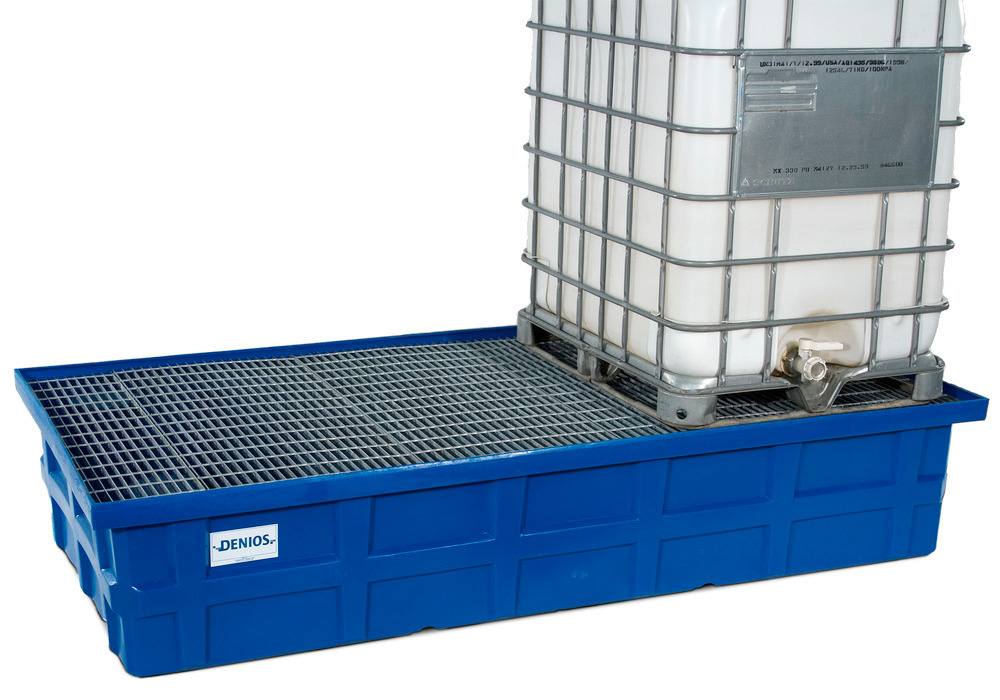
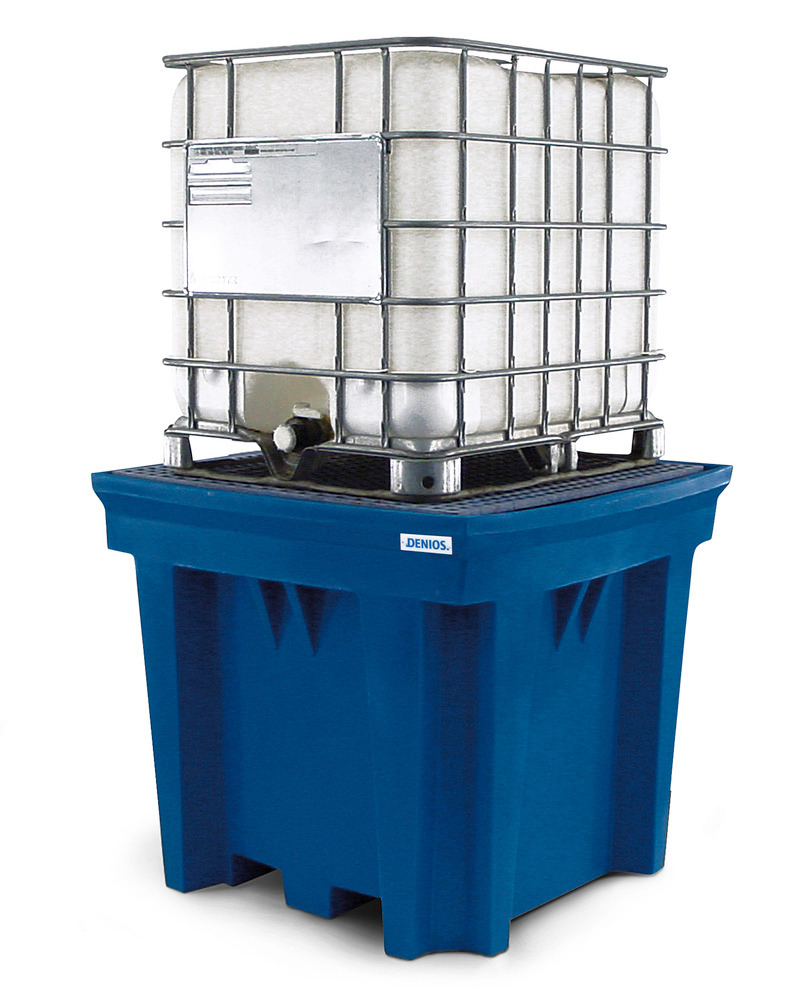
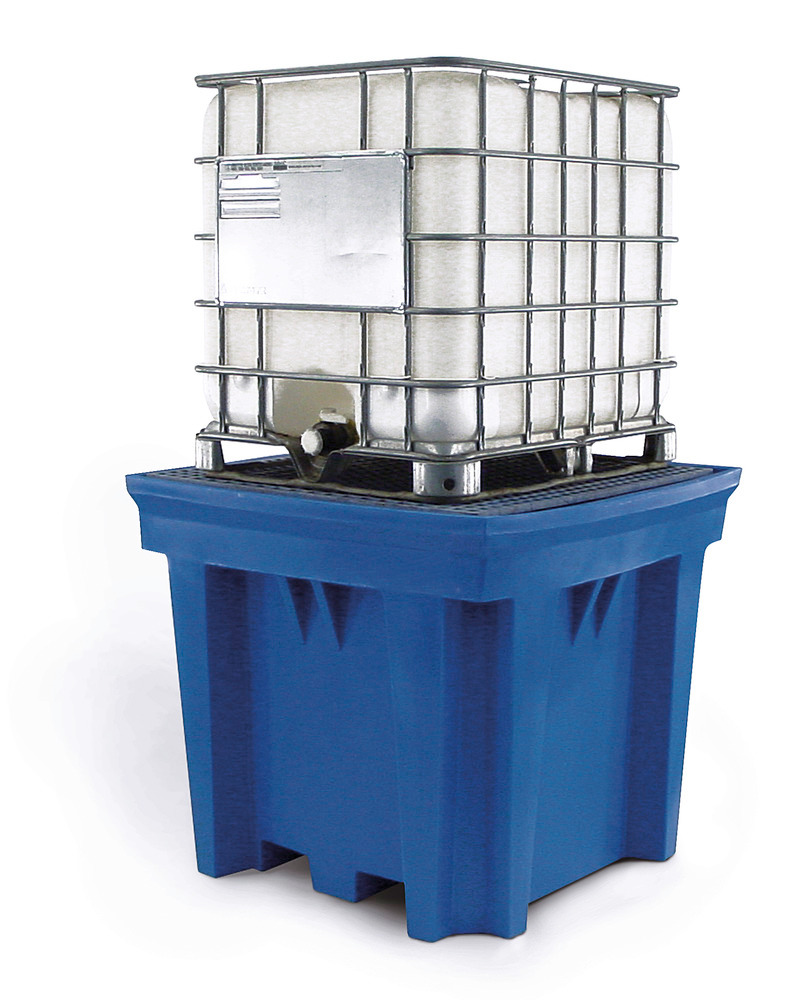
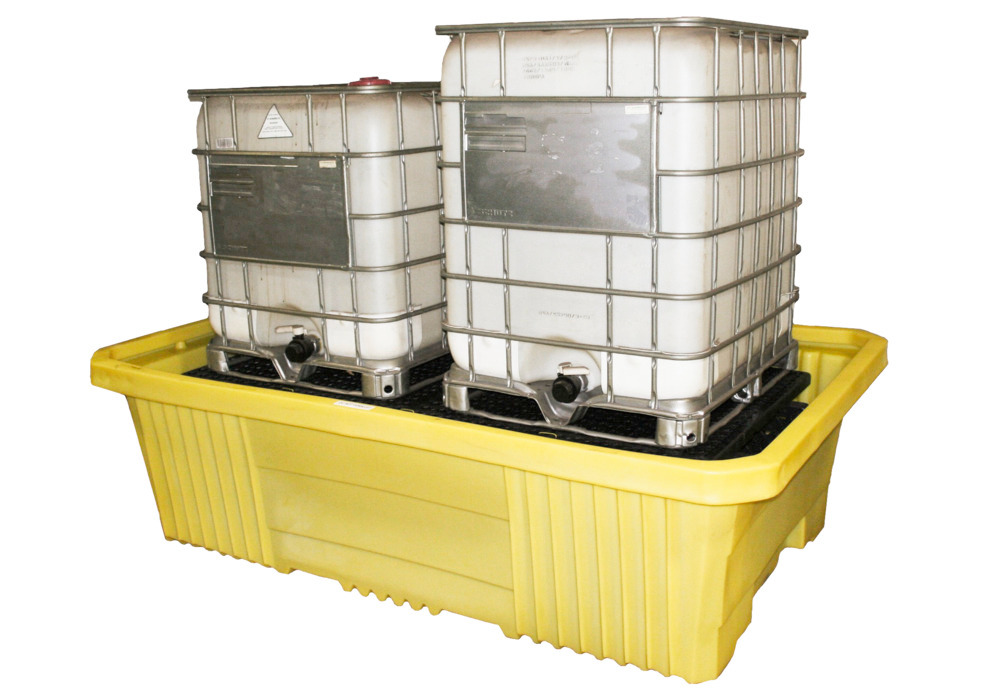
(38 Article)Regarding IBC spill containment, DENIOS CA Spill Containment Pallets and Sumps stand out as industry-leading solutions for their compliance and durability. Our poly spill pallets, designed with various sump capacities, provide excellent containment for storing aggressive chemicals, ensuring strict adherence to regulatory standards.
IBC spill containment is a critical aspect of hazardous material handling. Whether you're dealing with chemicals, oils, or other potentially harmful substances, our spill containment solutions offer peace of mind.
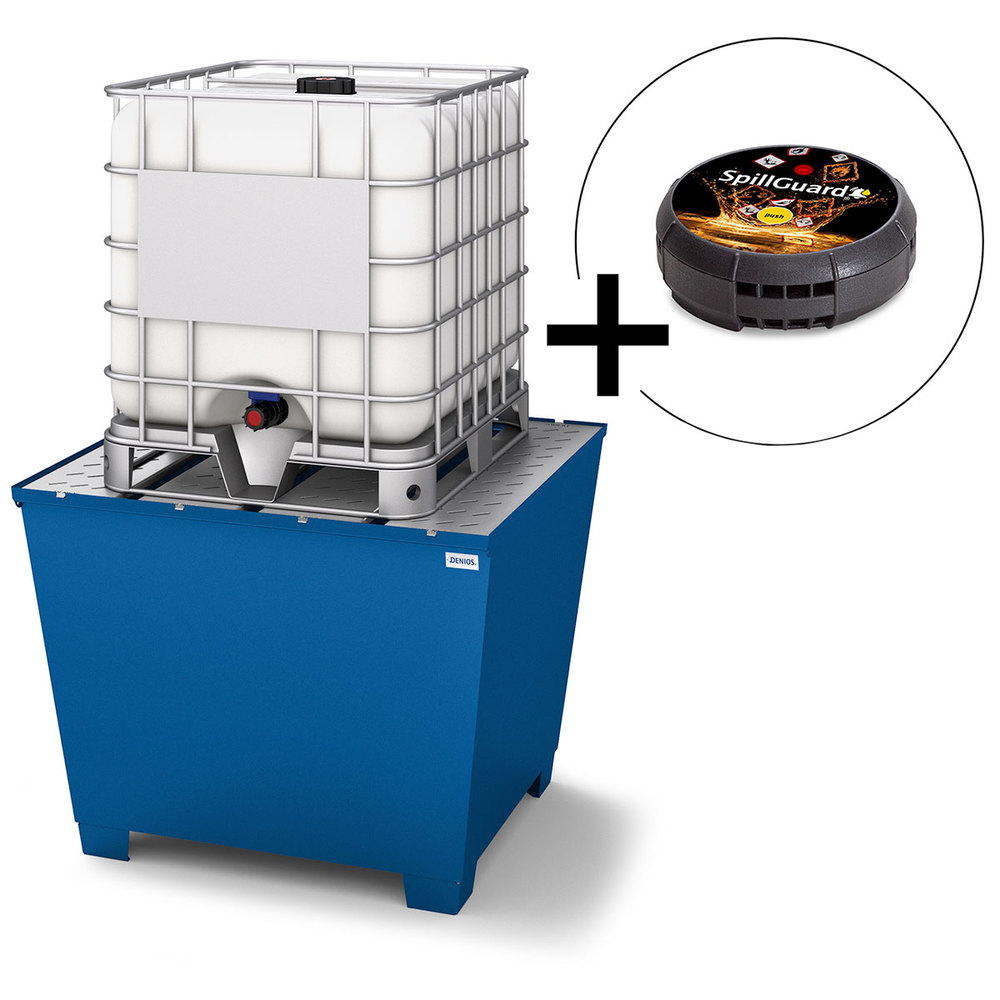
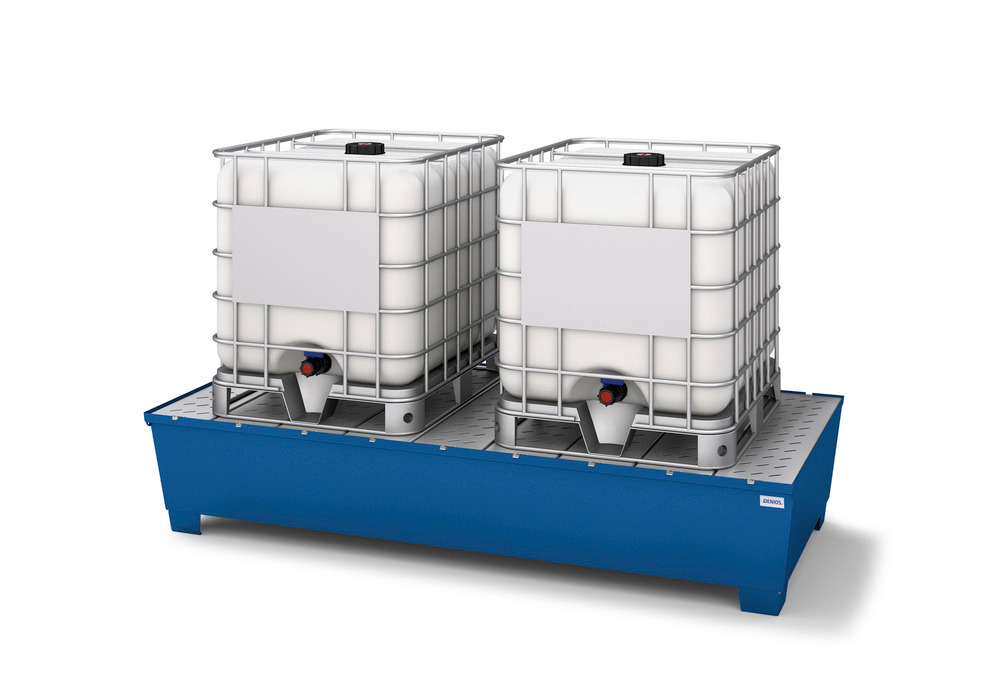
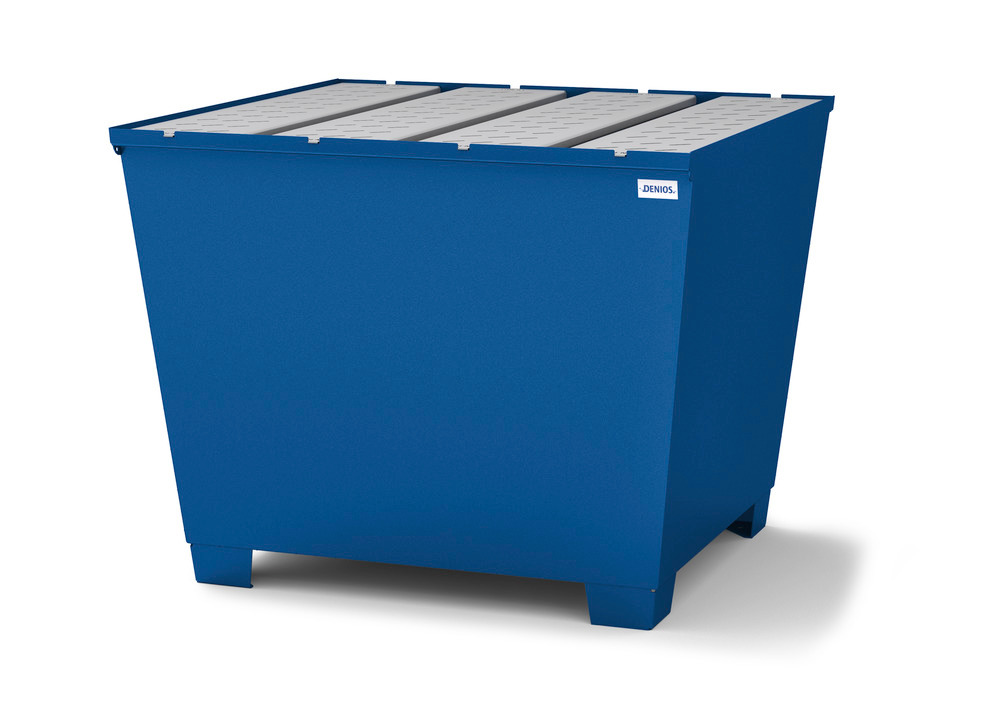
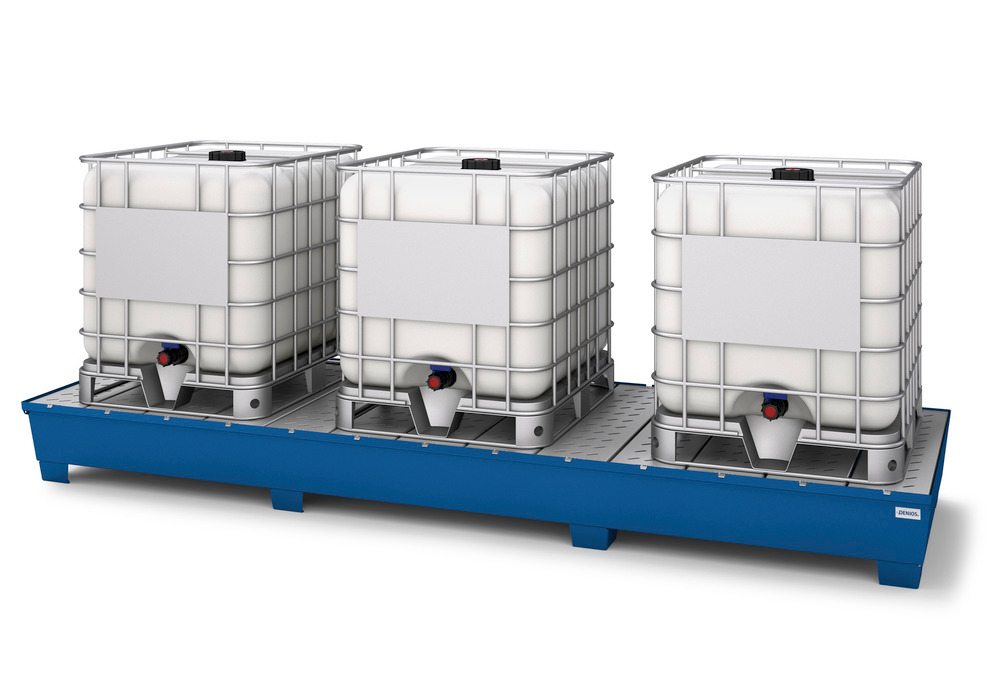
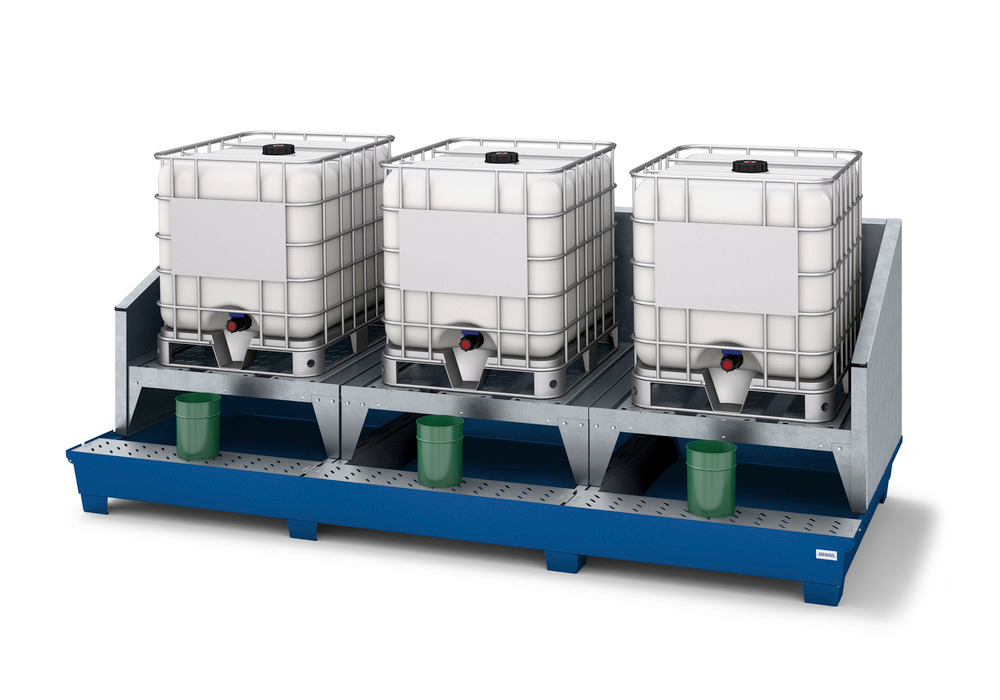
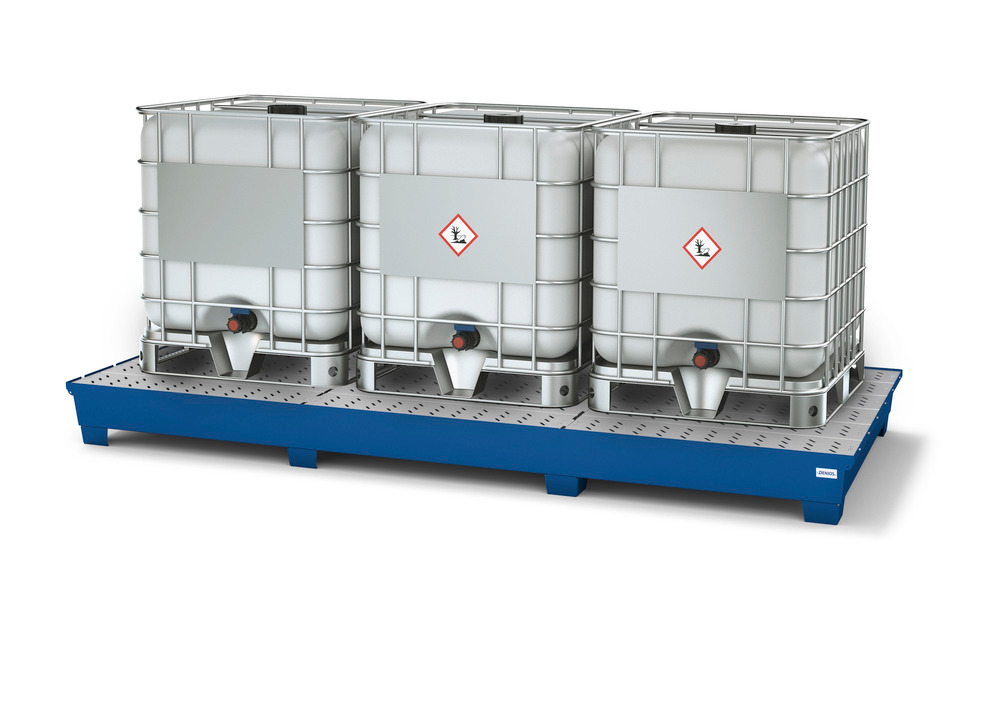
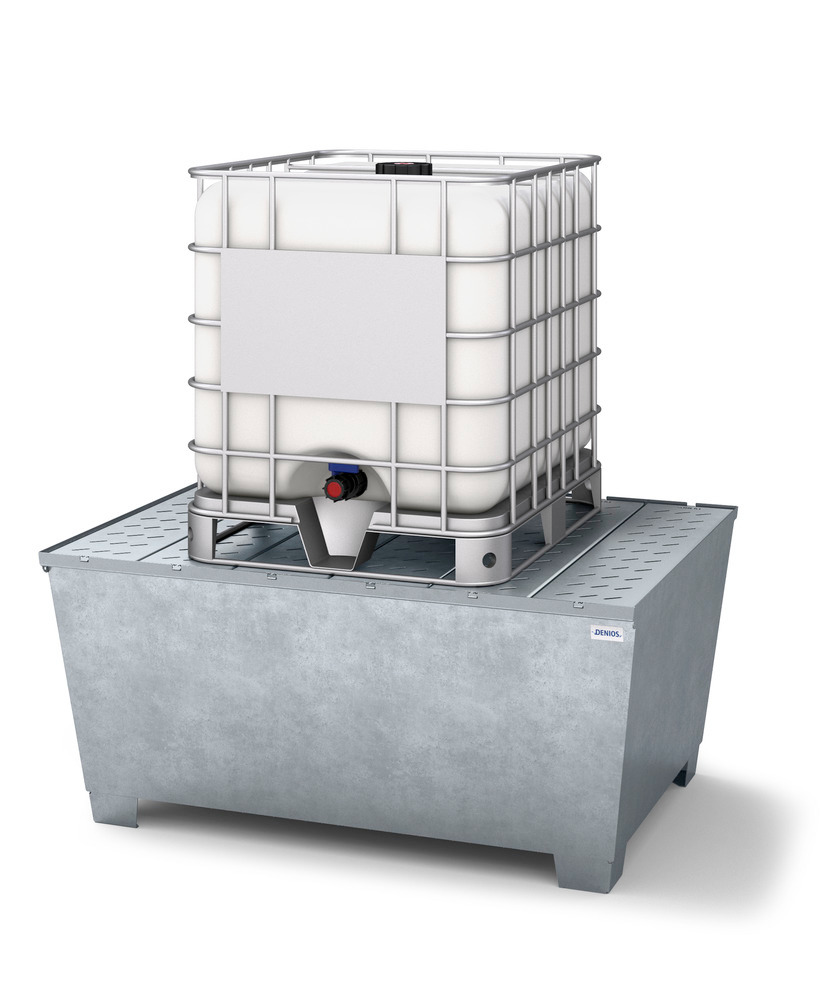
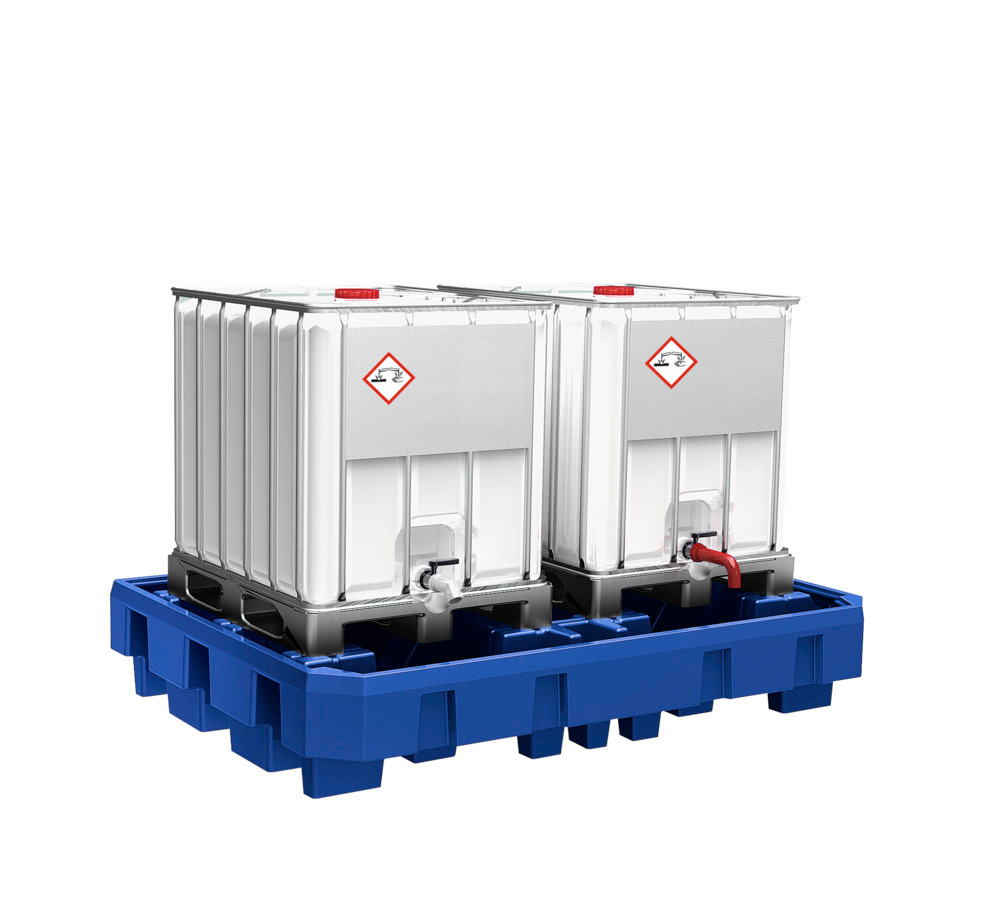
28 from 38 products shown

IBC SPILL PALLETS FOR EVERY NEED

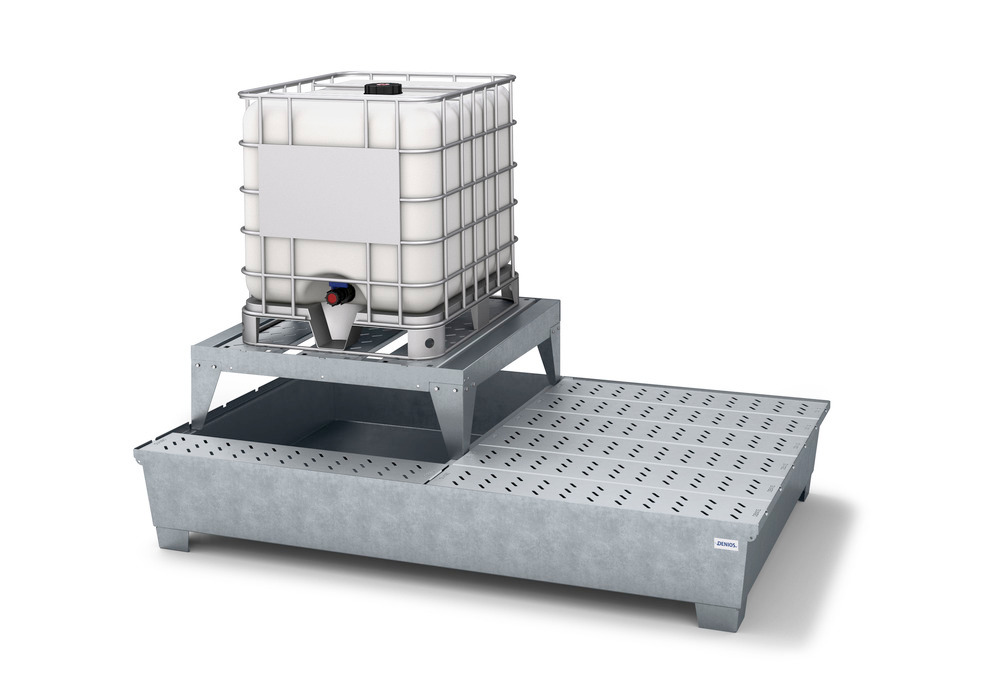
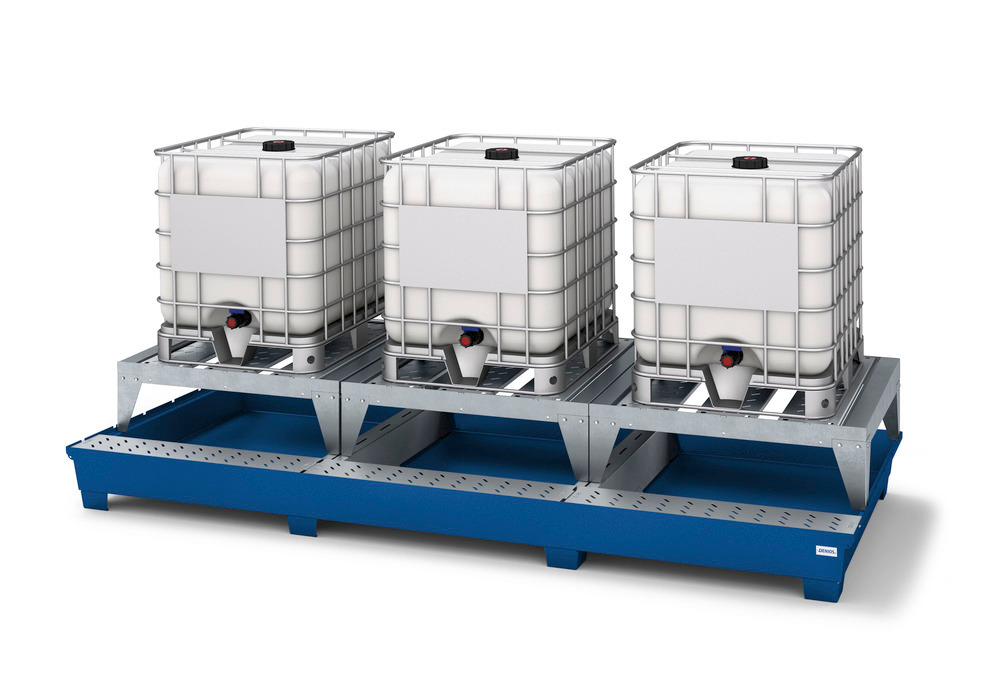
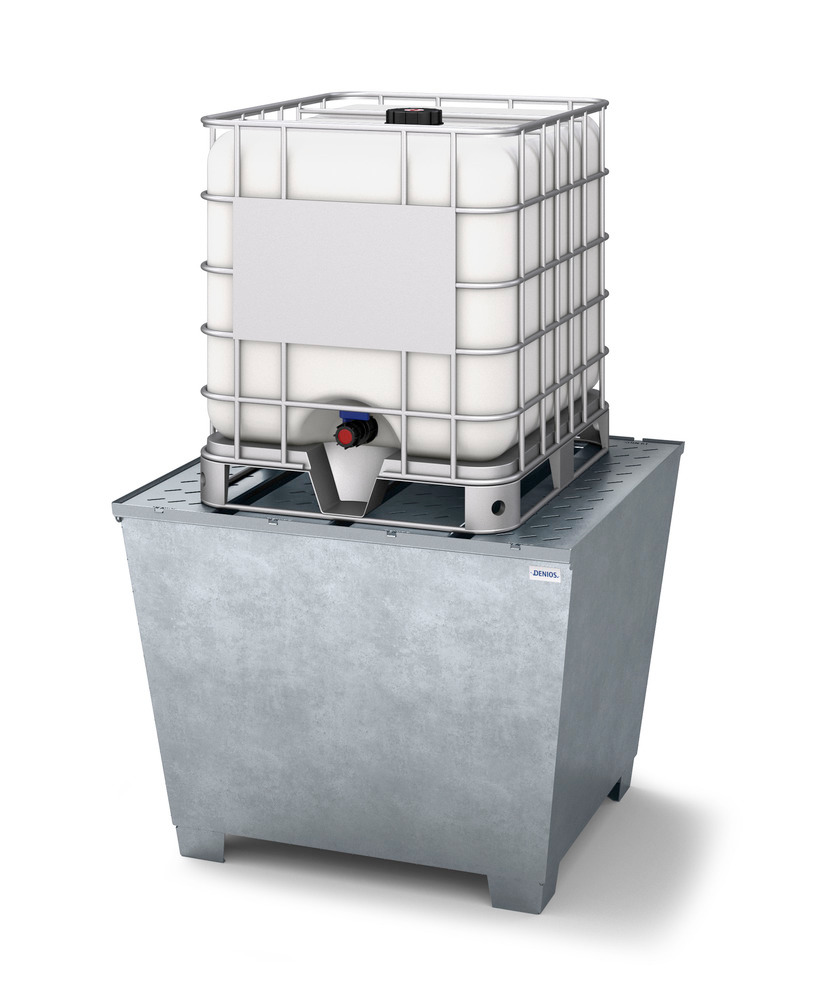
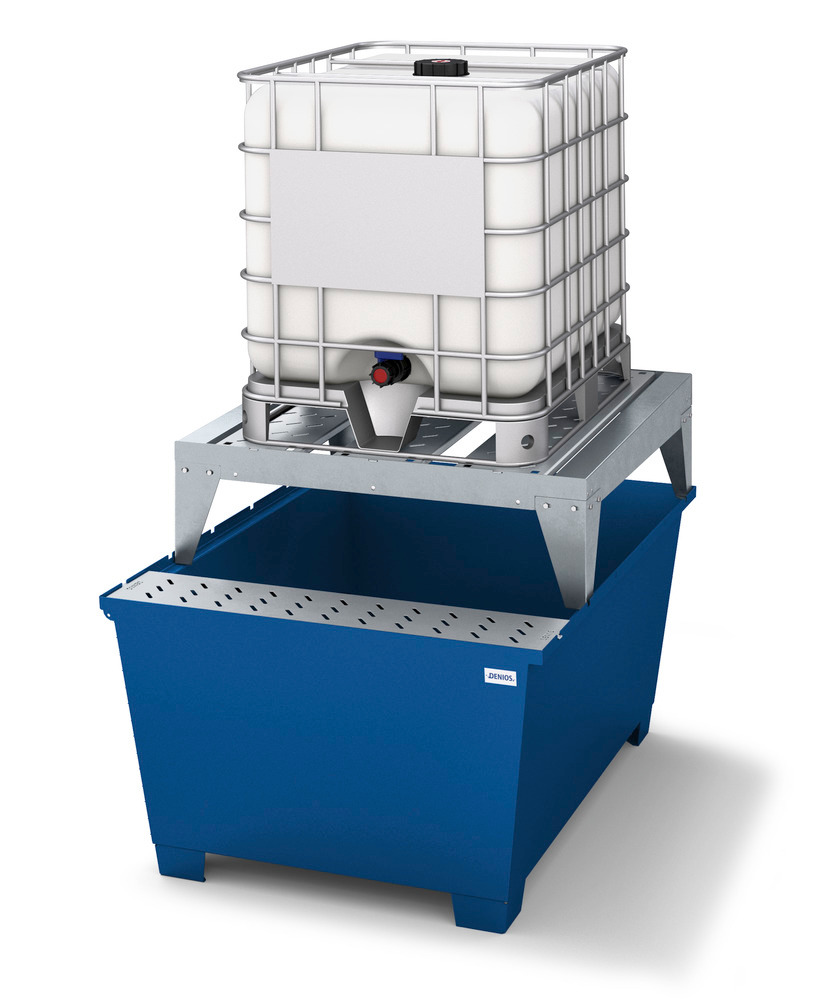
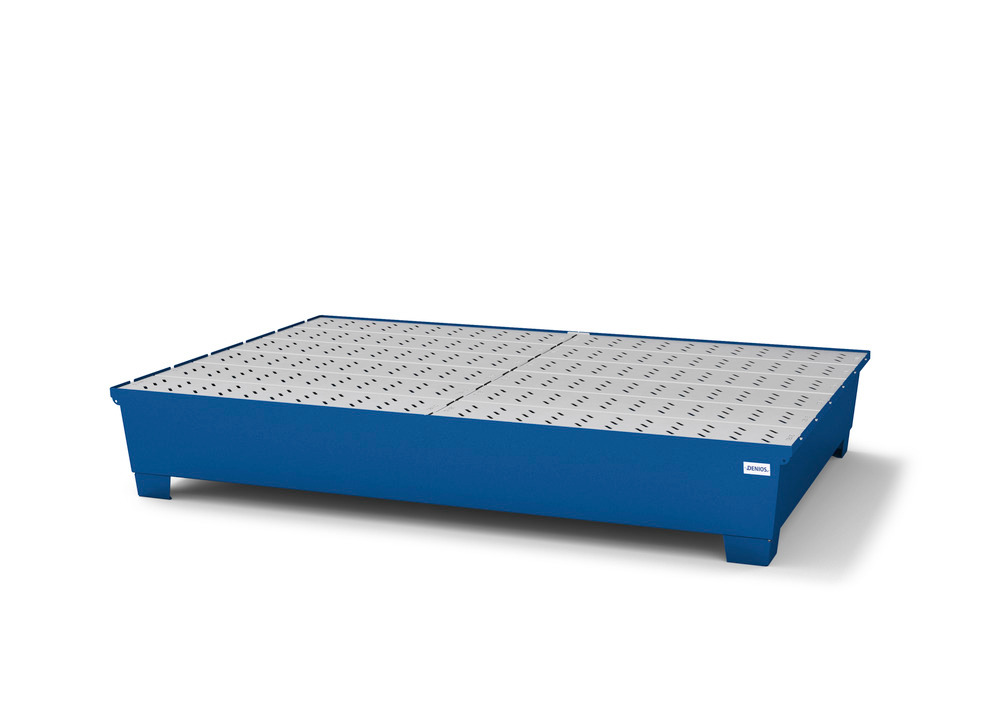
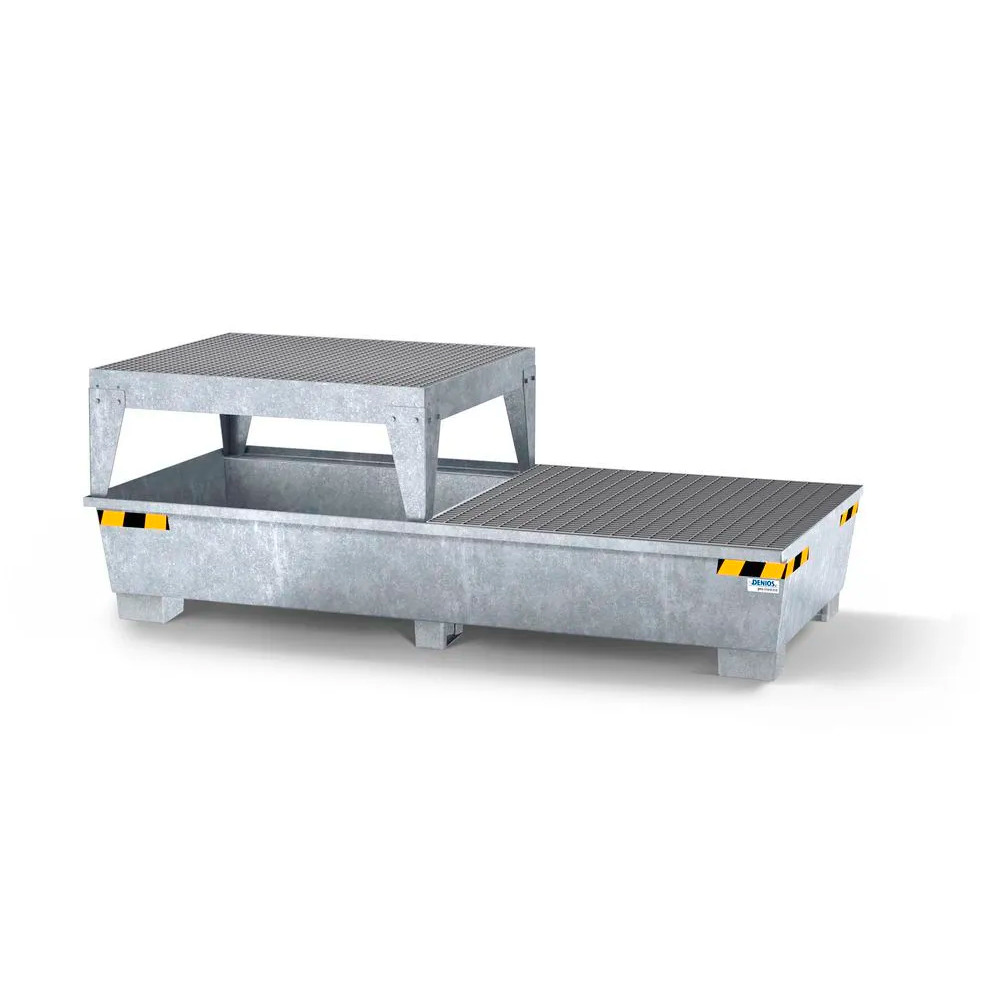
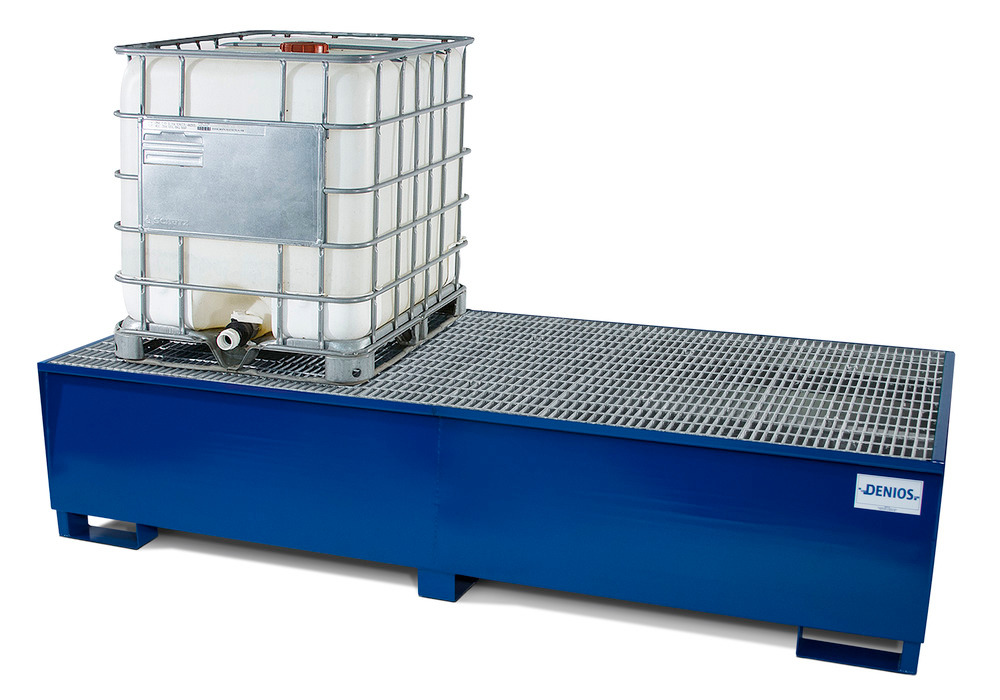
IBC Spill containment with heavy gauge steel
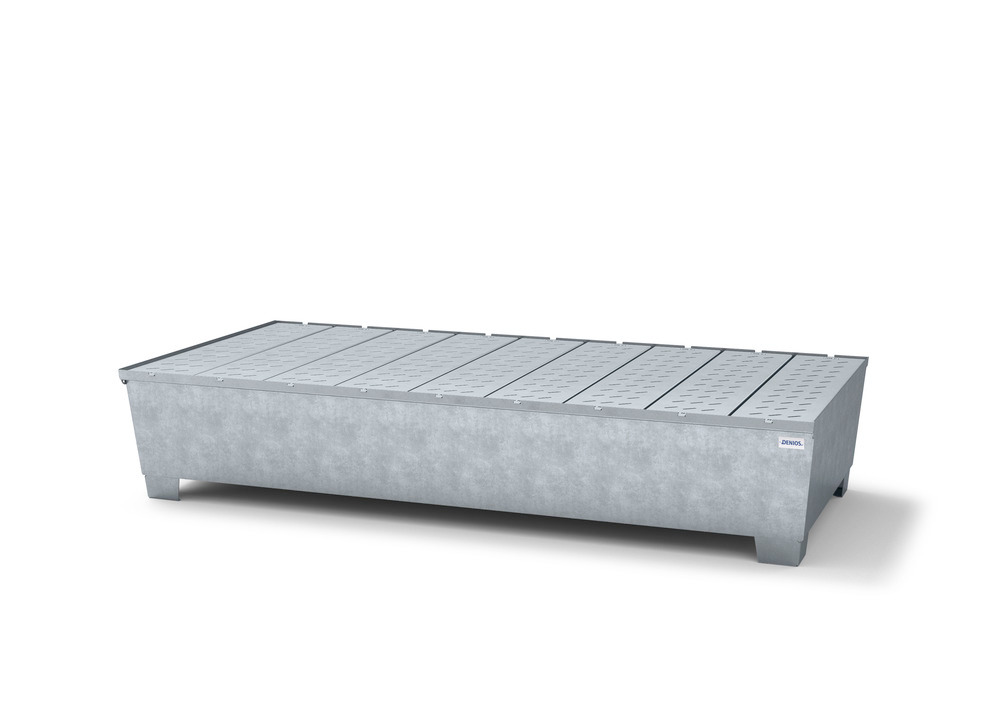
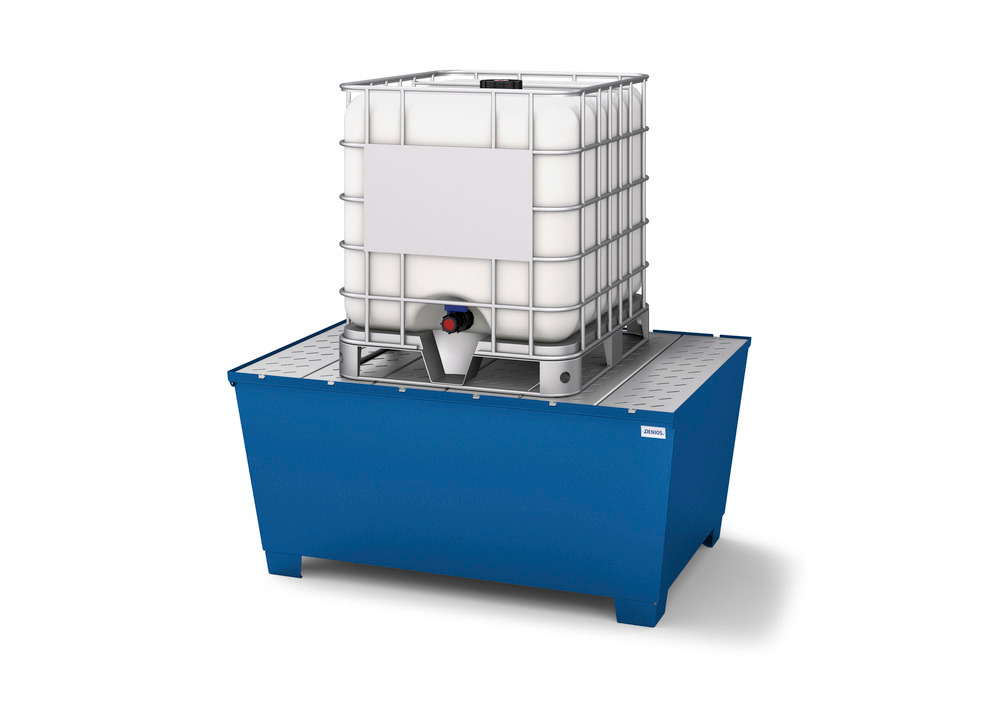
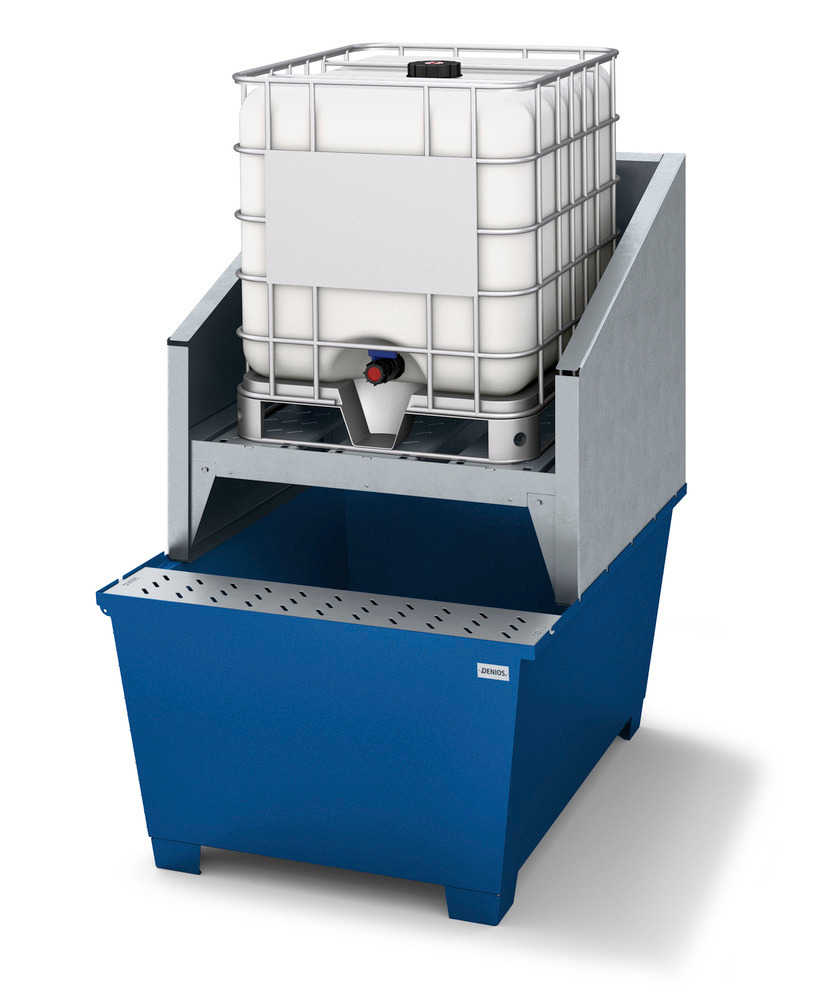
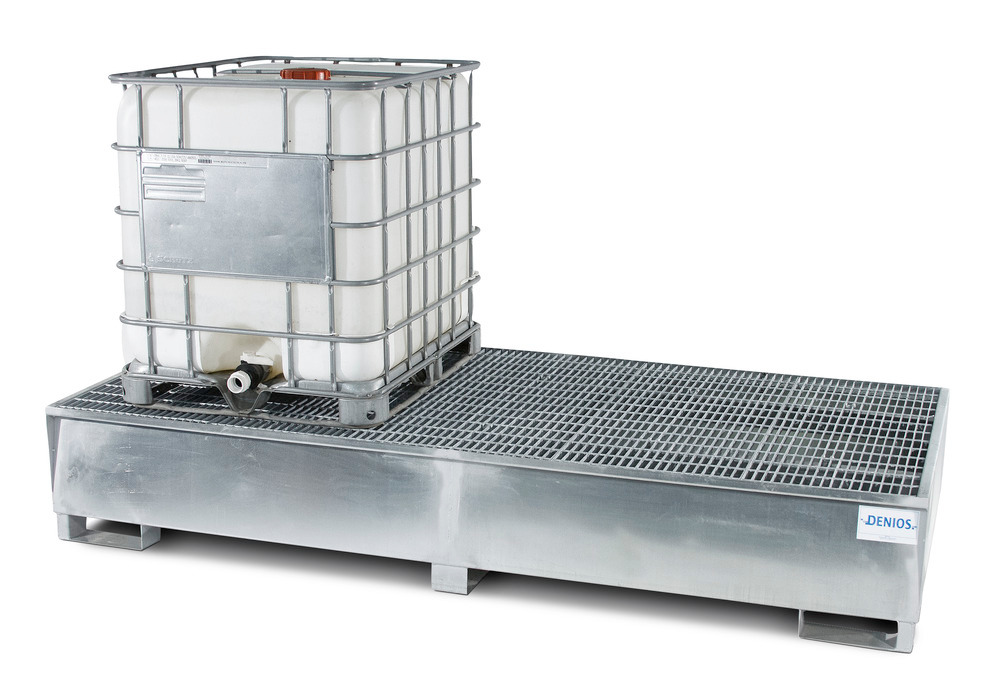
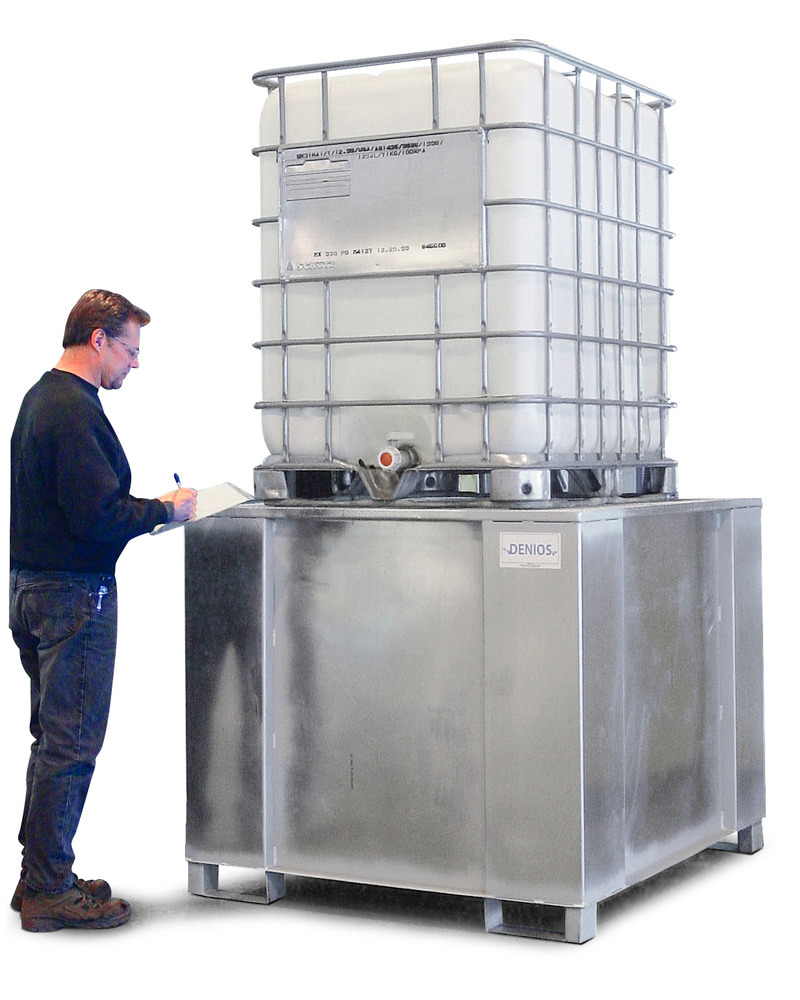
At DENIOS, we understand that not all IBC spill containment needs are identical. That's why we provide a comprehensive range of spill sumps, pallets, and IBCs made of heavy-gauge steel. Our galvanized and painted steel solutions offer secure and convenient storage options for oils, paints, and other flammable or water-polluting substances, no matter where you operate.
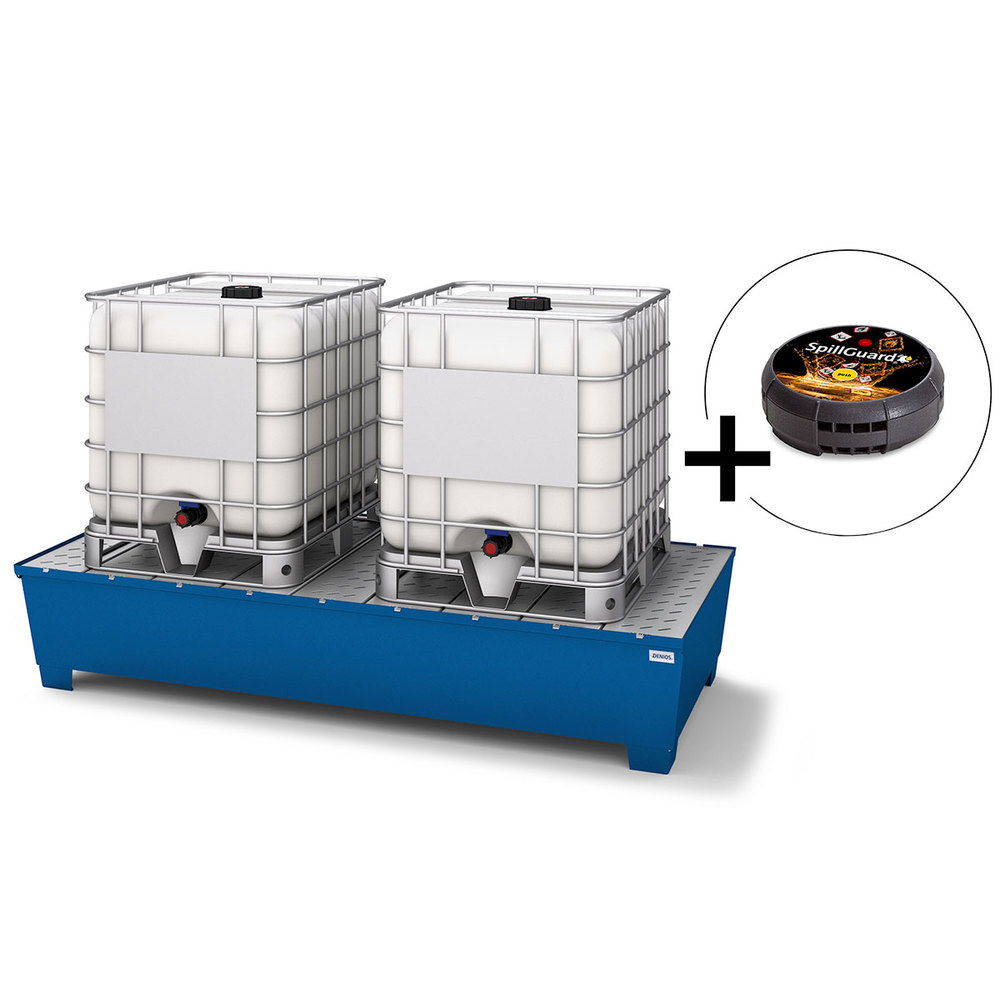
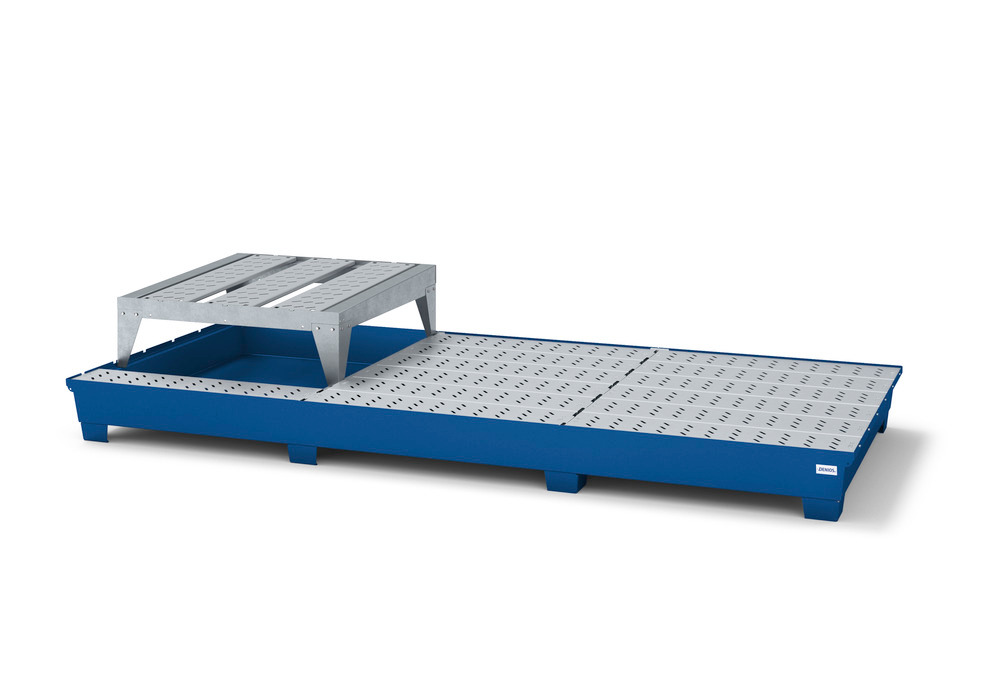
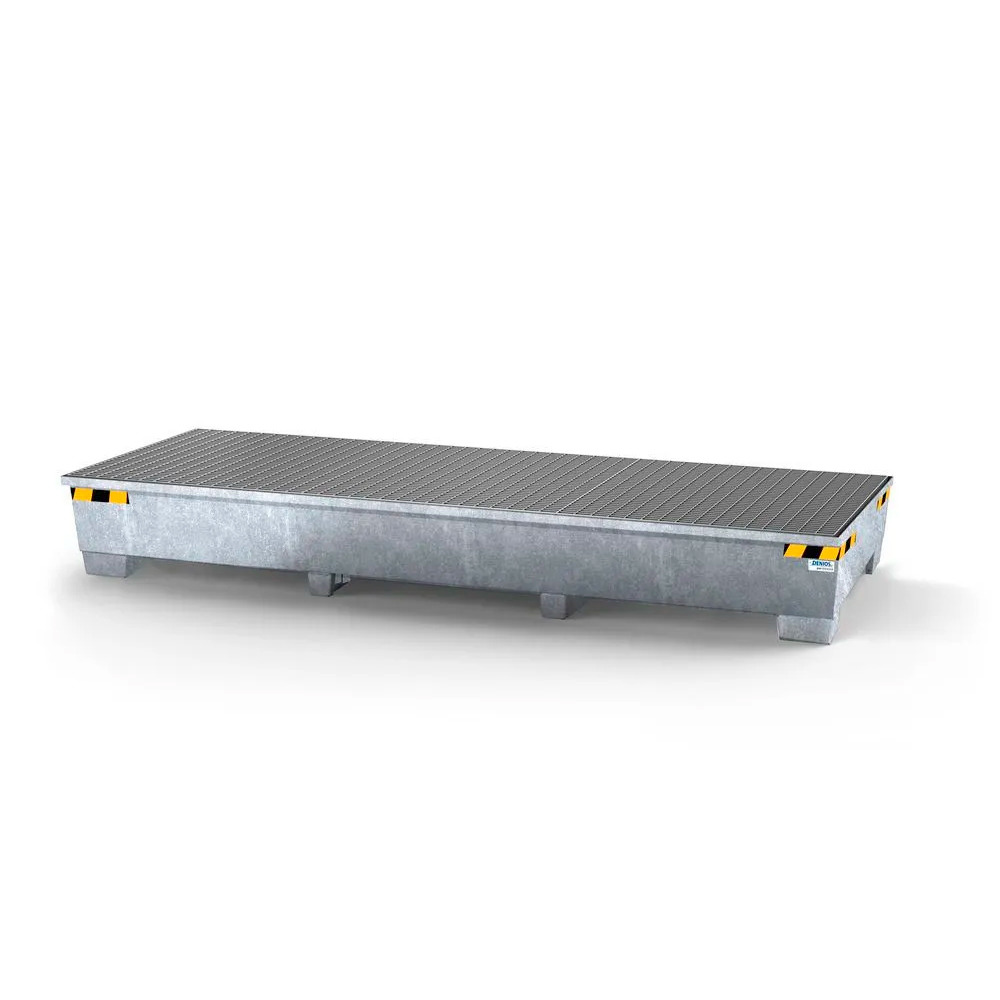
Our steel drip trays come in various sizes, accommodating different storage volumes, from single-drum storage to solutions for up to twelve 55-gallon (208 Liters) drums. We also offer steel pallets designed explicitly for storing one IBC up to eight IBCs, ensuring reliable containment options for larger containers.
What sets our spill containment solutions apart is their flexibility. Equipped with forklift pockets, our products are easy to move and maneuver, making them suitable for various industrial settings. The included drip tray enhances safety by providing spill containment, and it can be positioned directly underneath the containers or on the grate, allowing for efficient and secure storage.
Poly or Steel IBC Tote Sumps
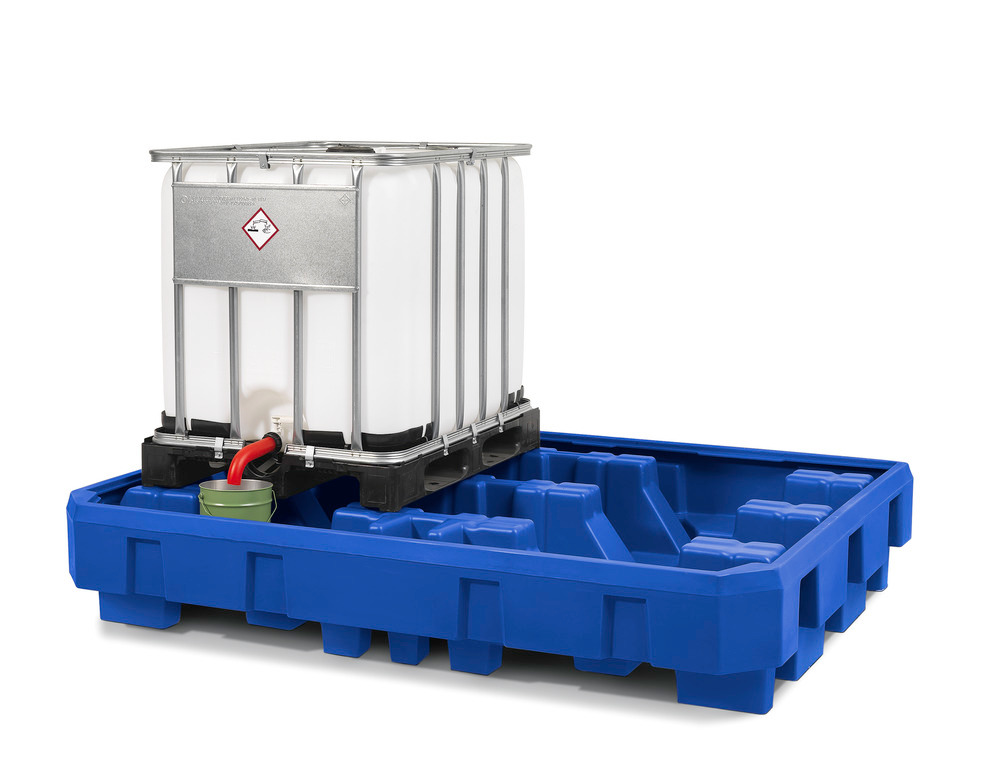
Regarding IBC spill containment, DENIOS offers both poly spill pallets and sumps and steel alternatives, catering to different needs and requirements.
Our poly spill pallets and sumps are ideal for the secondary containment of acids and corrosives. They provide cost-effective solutions compared to steel alternatives but should be used in environments without fire risks, as they are unsuitable for storing flammable chemicals.
DENIOS offers galvanized and painted steel spill sumps, pallets, and IBCs for those dealing with flammable substances or operating in high-risk environments. These robust solutions are designed to safely store oils and paints at various locations within a company, ensuring the utmost security for flammable and water-polluting substances.
Regardless of your specific needs, DENIOS has you covered with our range of IBC spill containment options. For more information on picking the right pallet for your company, check out our comprehensive guide on choosing the right spill pallet.
IBC SPILL CONTAINMENT REGULATIONS AND BEST PRACTICES
Ensuring compliance with IBC spill containment regulations is paramount for any business handling hazardous materials. DENIOS understands the importance of following industry standards and governmental guidelines.
That's why we provide top-notch spill containment solutions and offer guidance on best practices for IBC spill containment. Our products are designed with regulatory compliance in mind, giving you the confidence that your operations meet the necessary safety and environmental standards.
Regarding IBC spill containment, trust DENIOS for reliable solutions that keep you compliant and your workplace safe.
More information
- View your order history
- Save shopping list and basket
- Save preferred payment method for future orders
Give us a call or fill out the form and we will get back to you as soon as possible.