DENIOS Ltd
17075 Leslie Street, Unit 9
Newmarket
L3Y 8E1

Tel.: +1-888-905-5353
Email: contact@denios.ca
Internet: www.denios.ca

IBC Spill Containment

(27 Article in 68 variants)

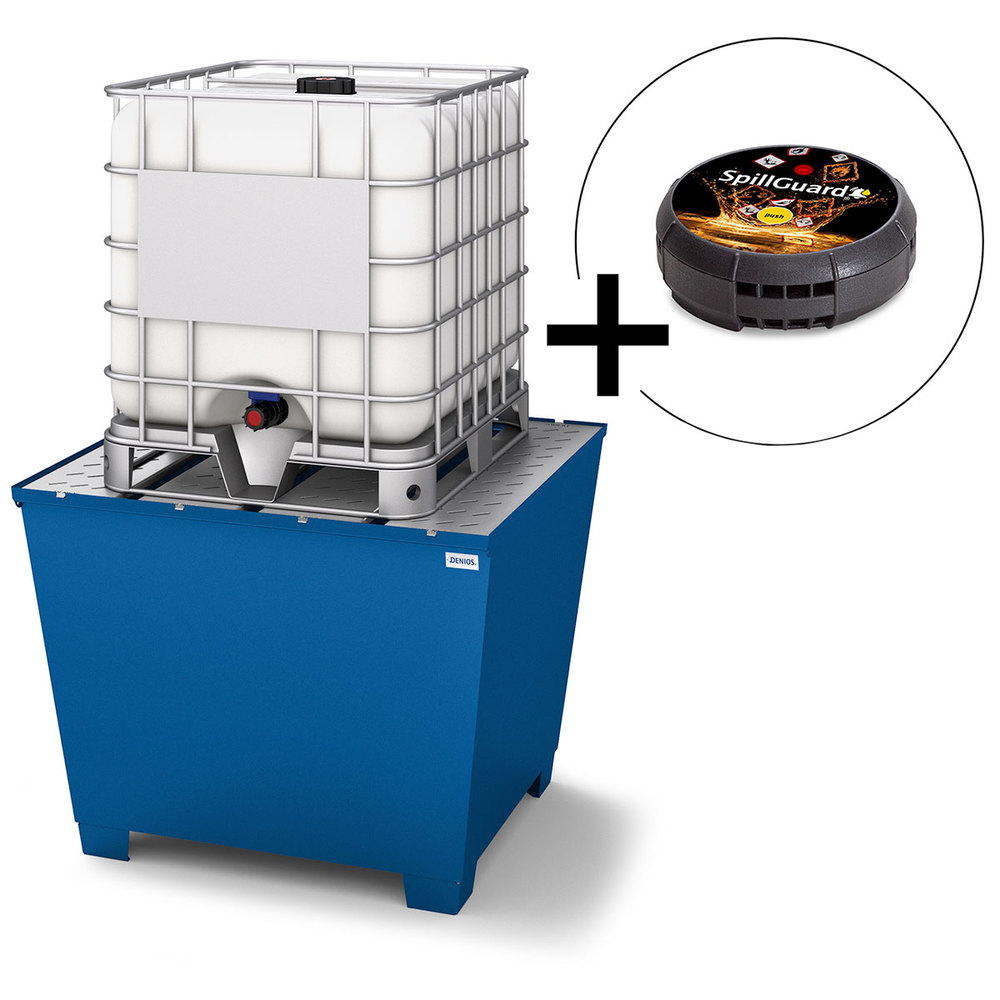
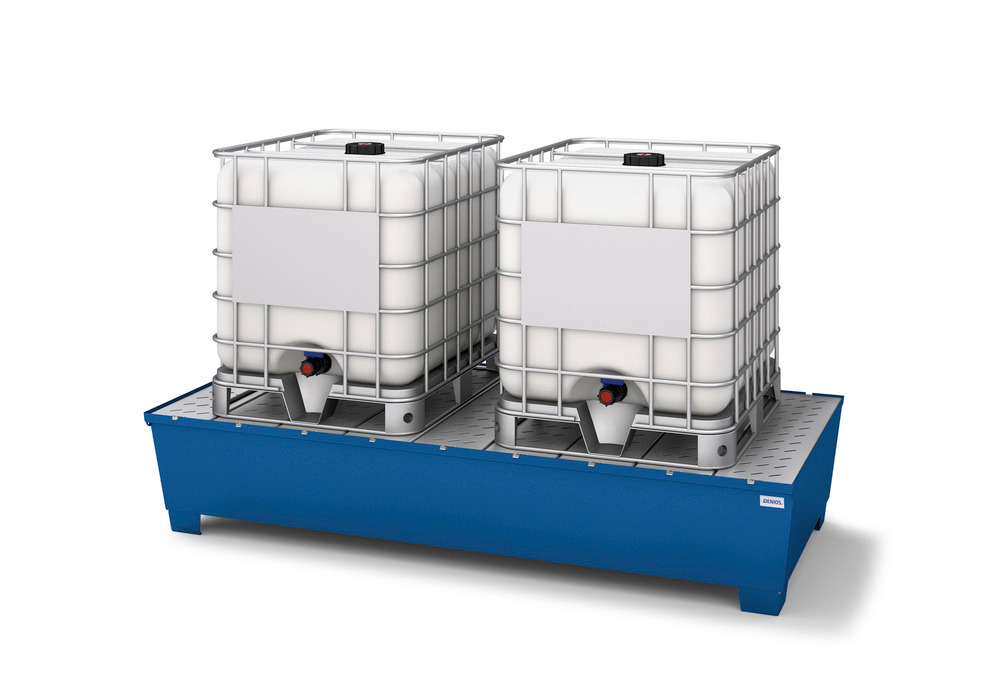
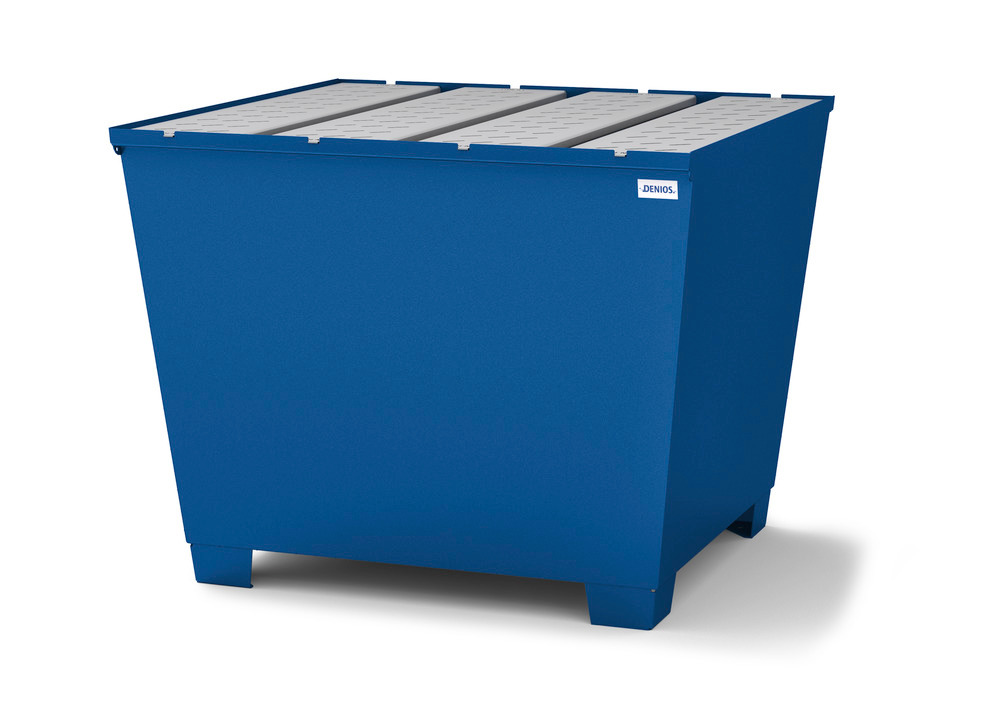
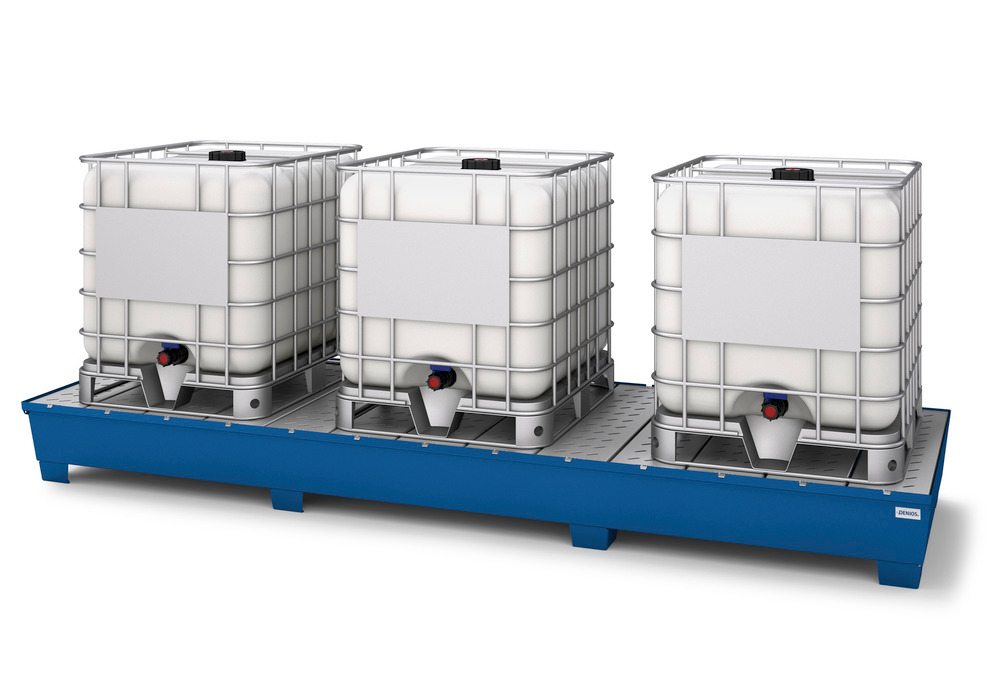
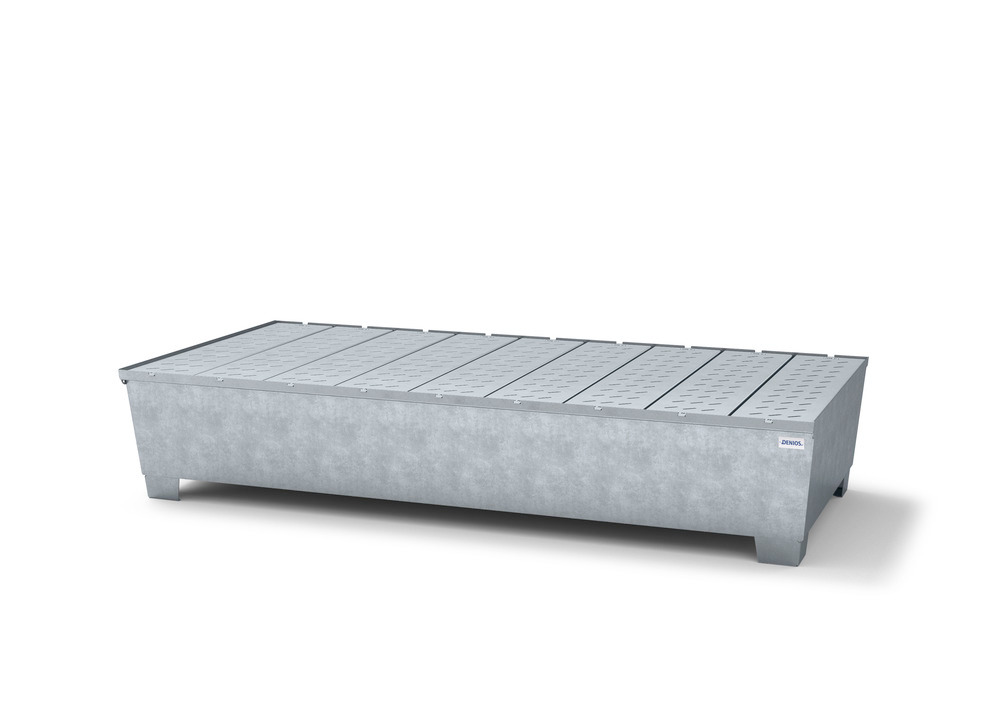
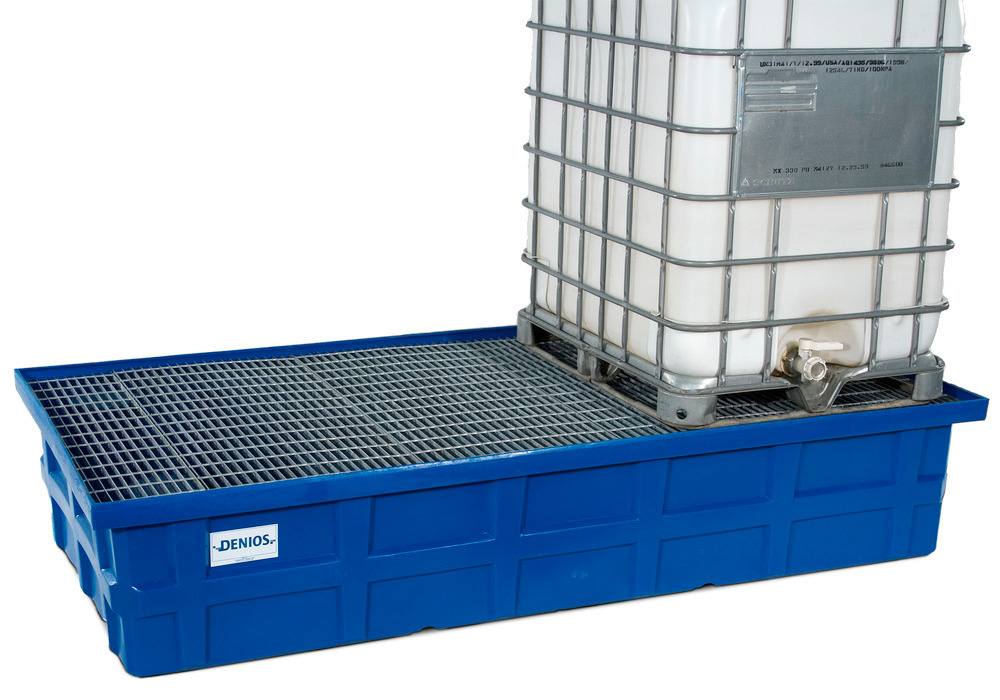
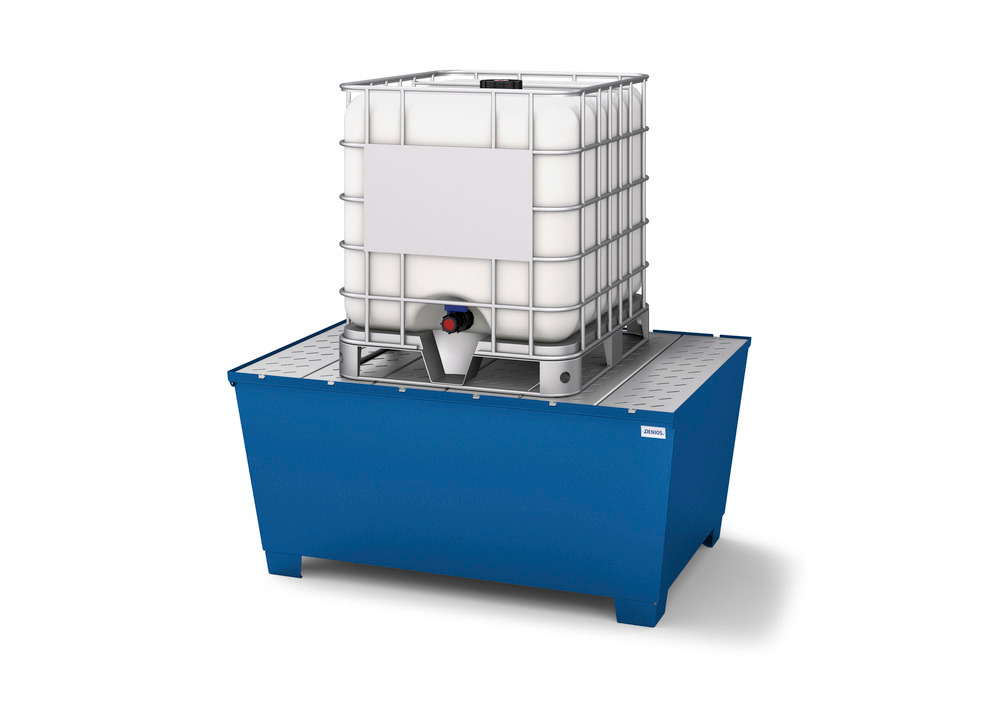
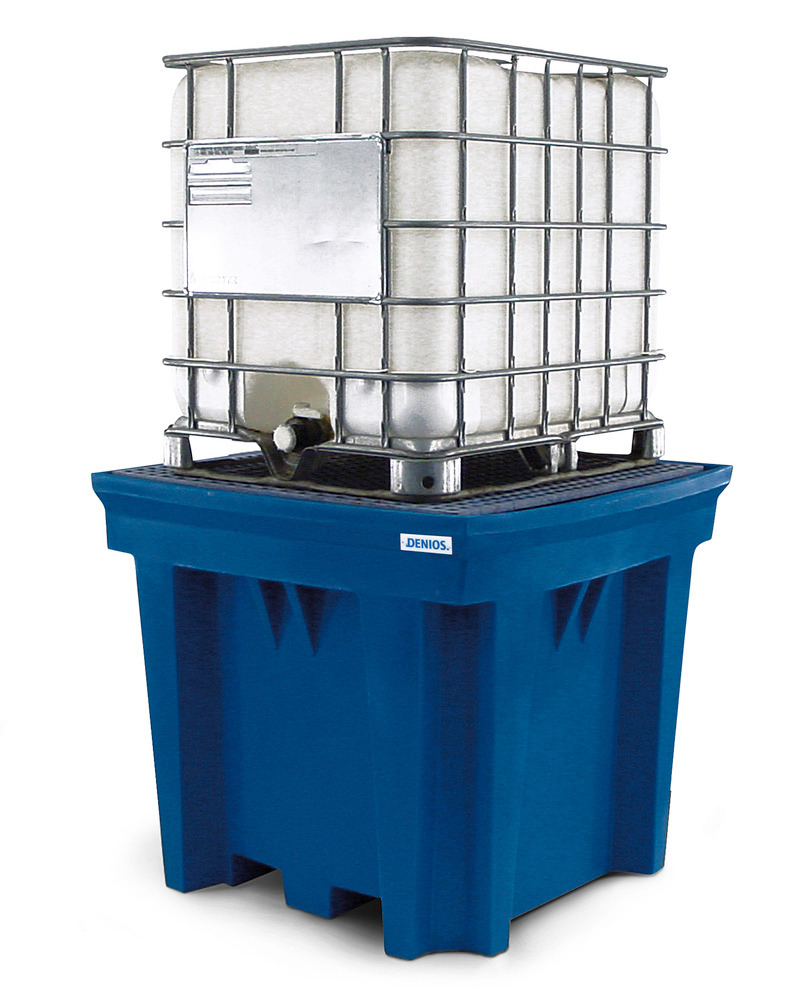
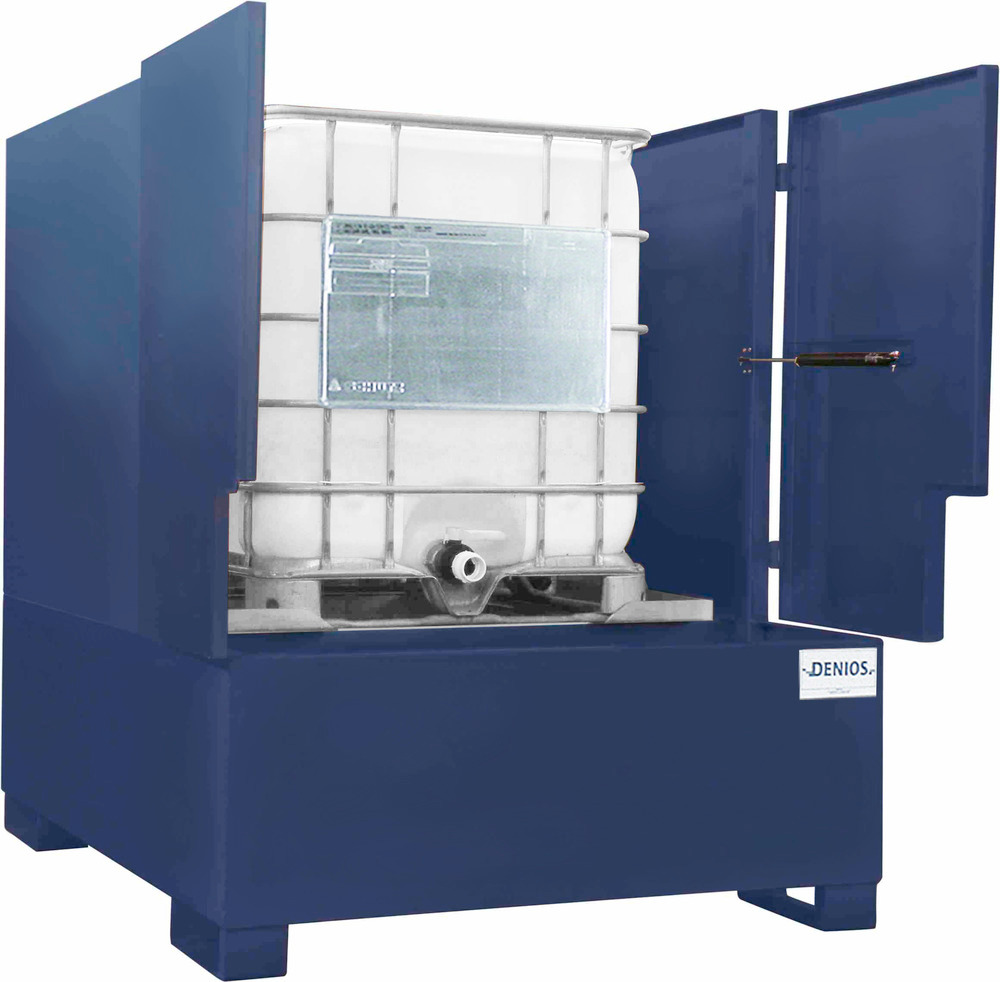
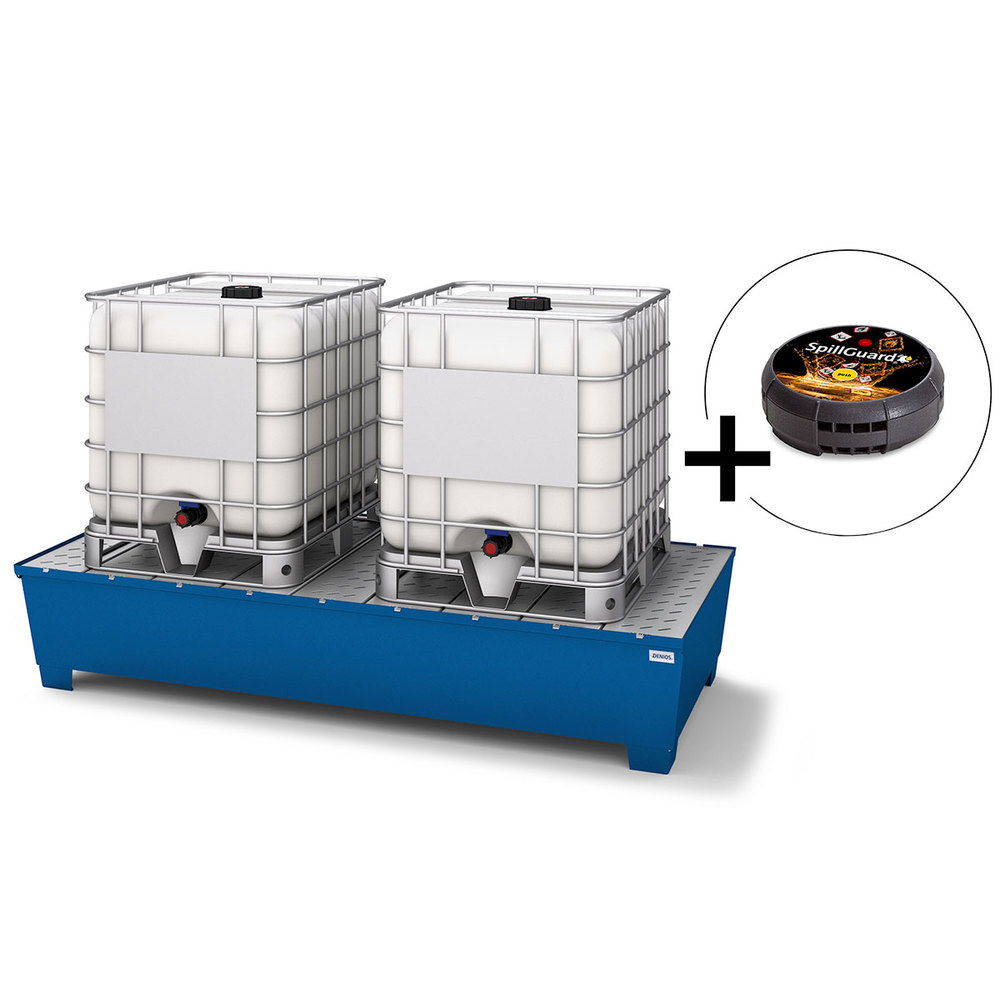
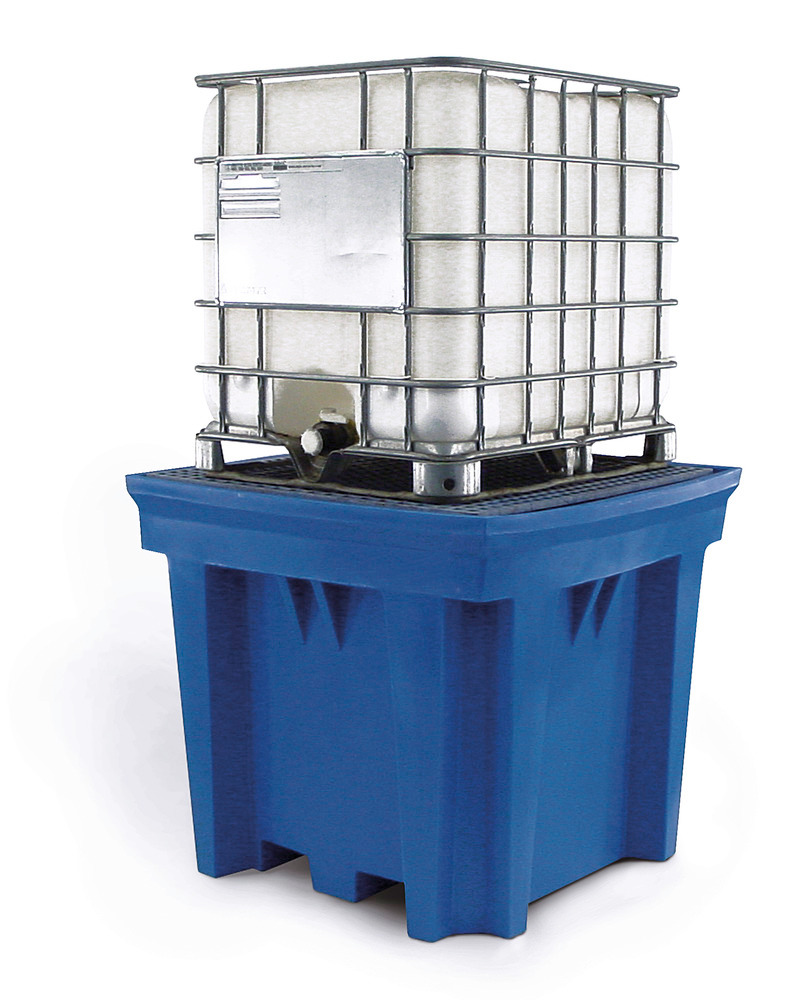
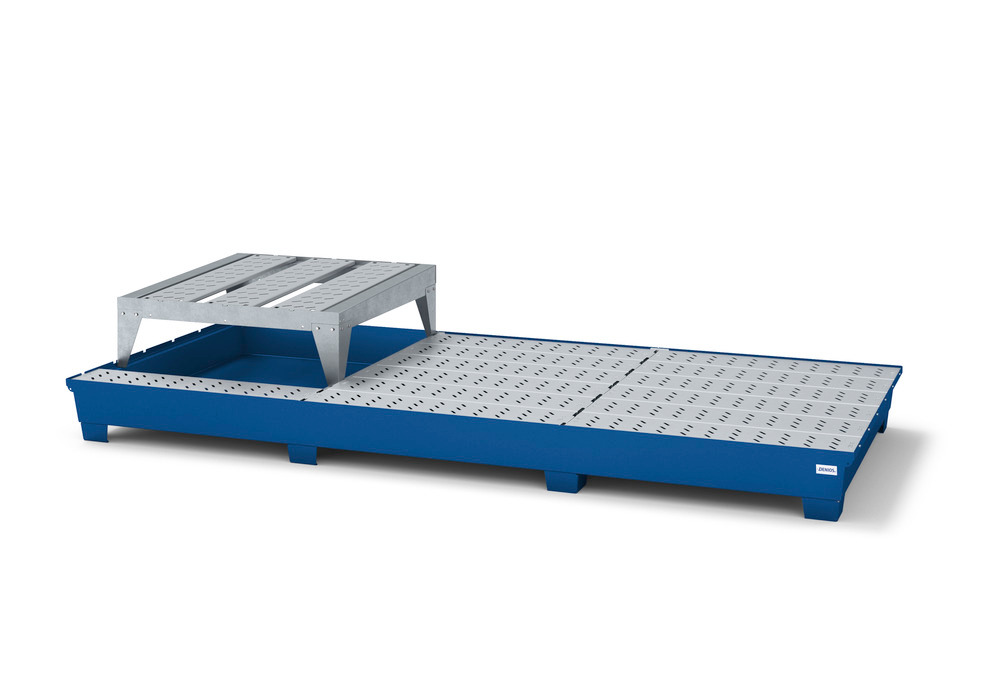
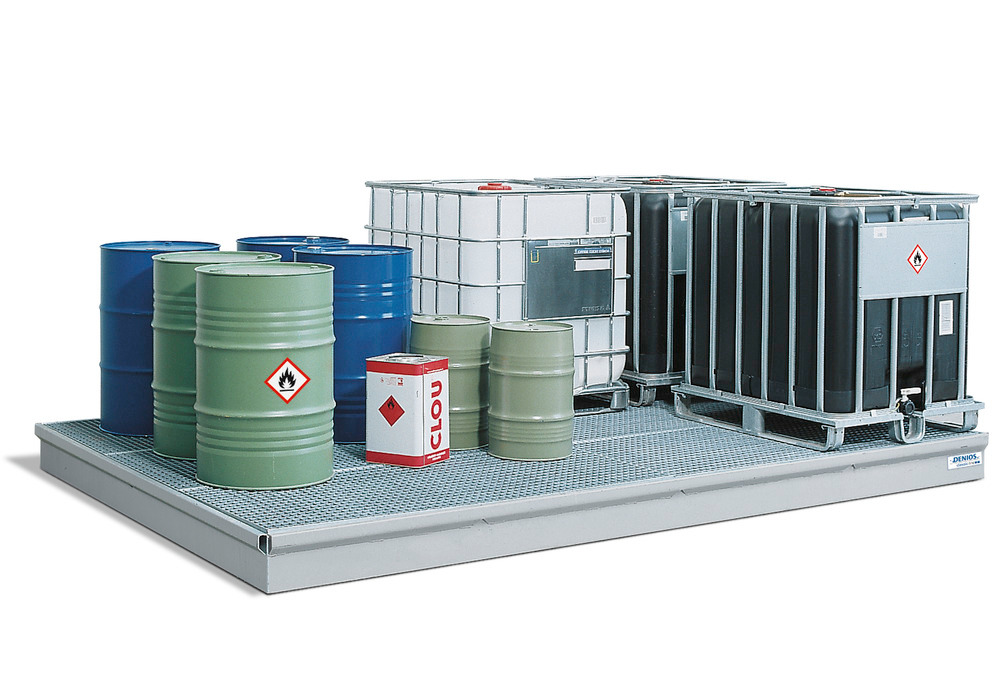
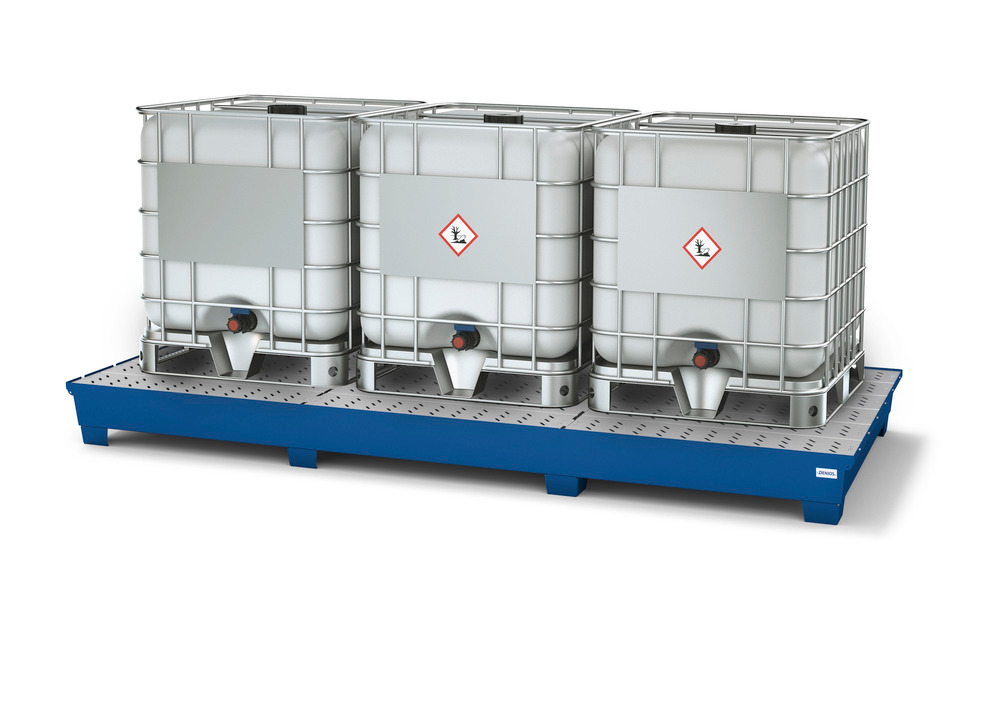
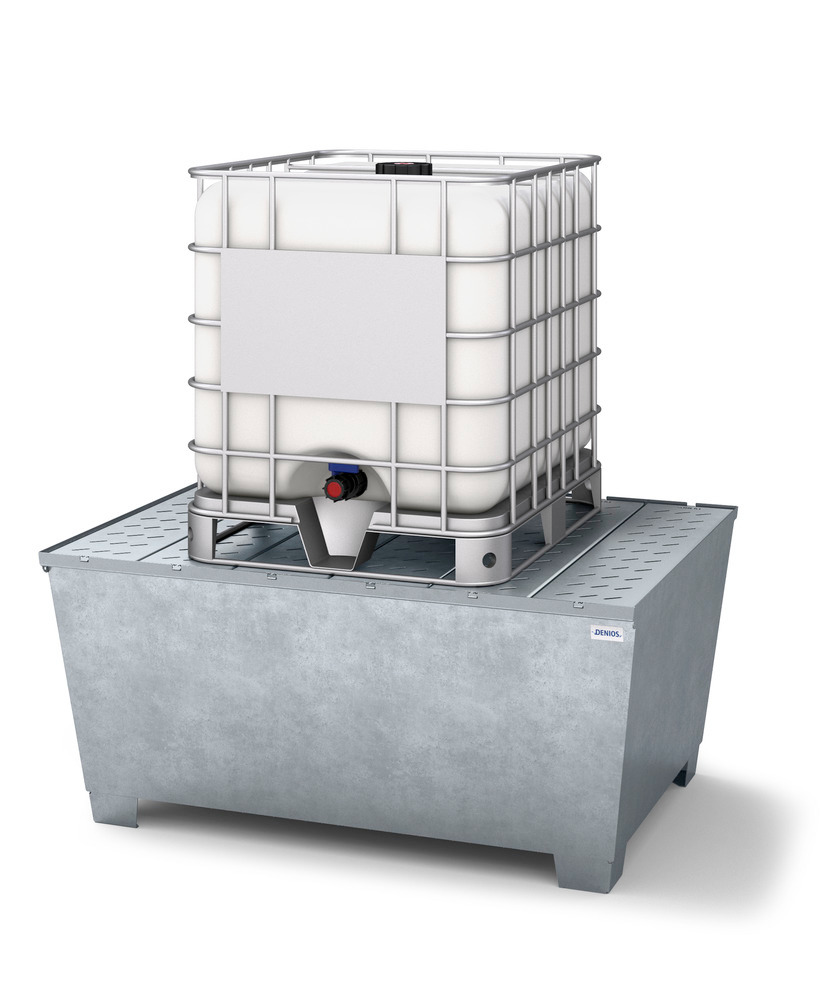
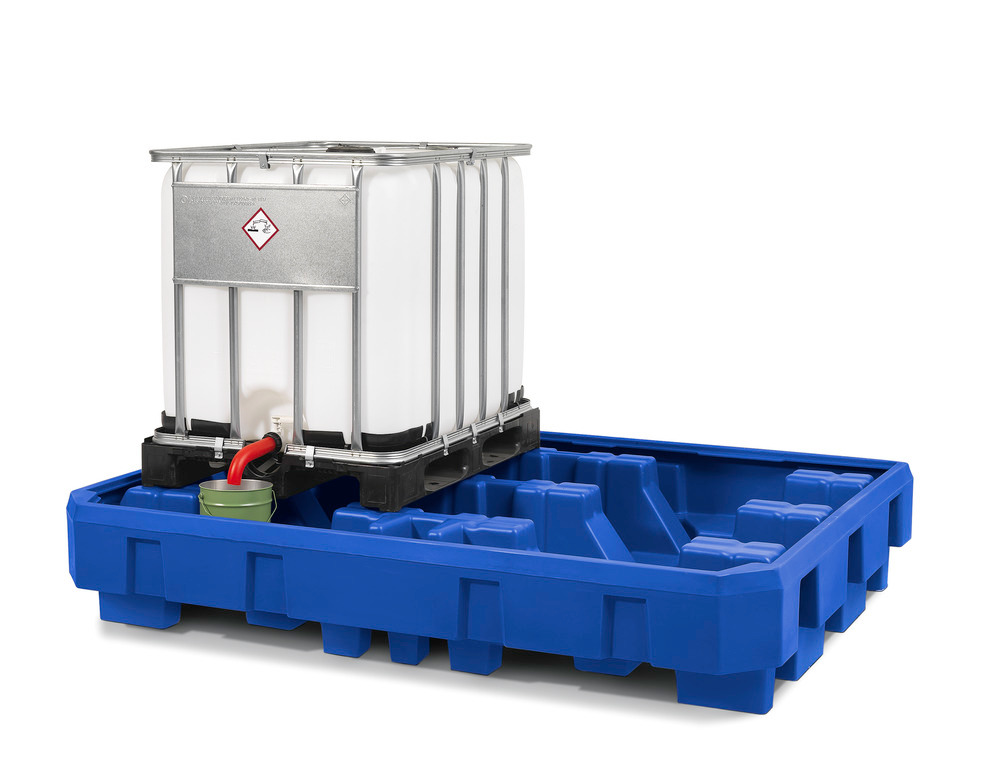
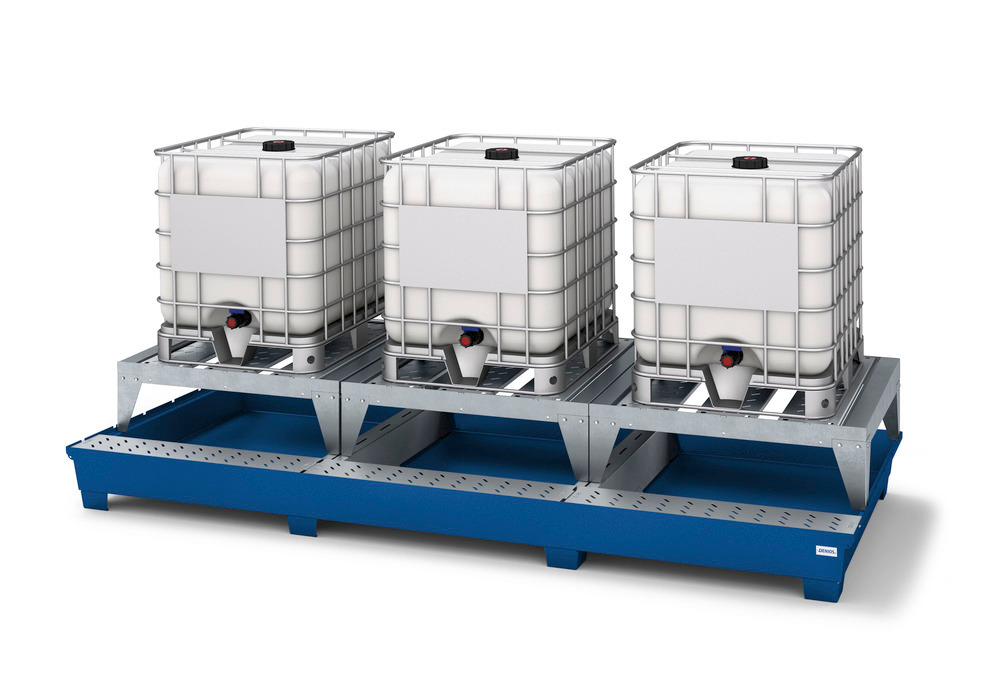
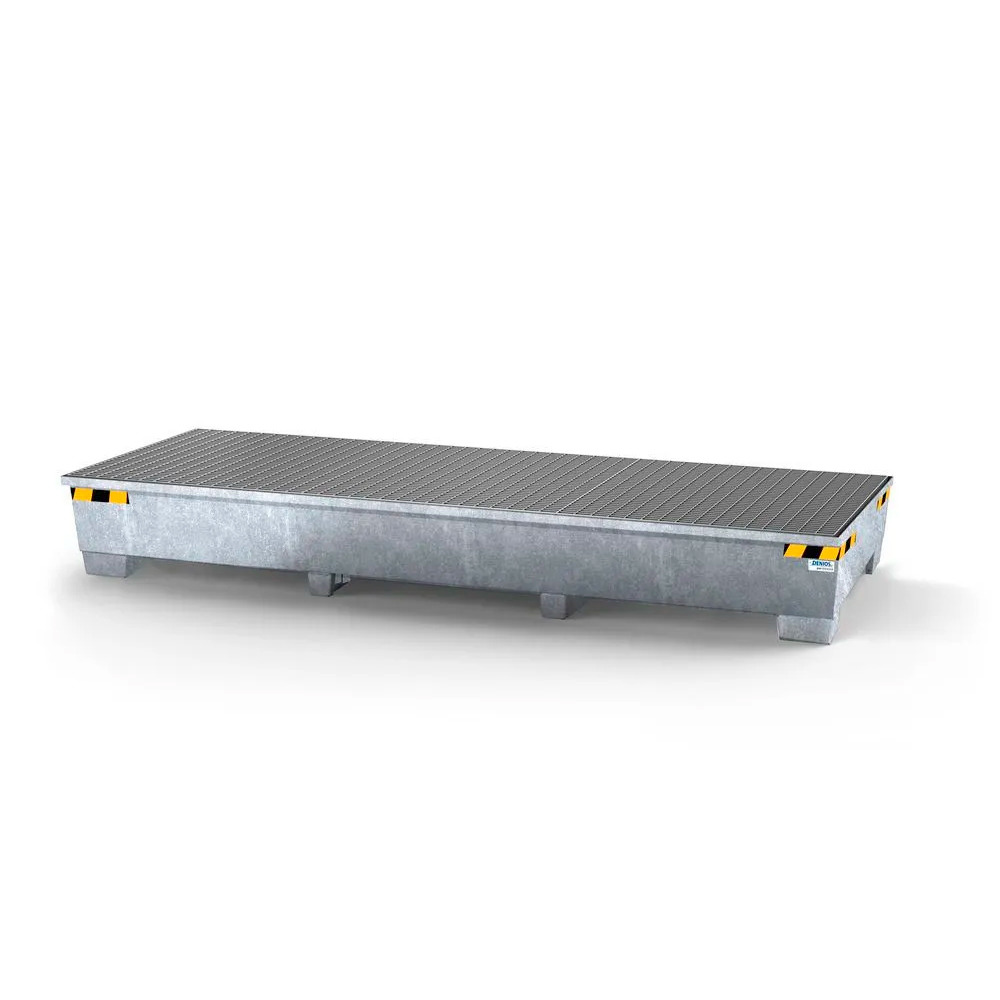
DENIOS offers IBC spill containment systems for the safe storage, dispensing, and secondary containment of intermediate bulk containers. Our range includes IBC spill pallets, tote stands, dispensing stations, and sump-based solutions designed for common tote sizes, including 264-gallon, 350-gallon, and larger IBC formats. Choose from poly and steel options for corrosives, oils, and other hazardous liquids, with configurations for single or multiple IBCs.

Active filter:
Reset all filters
27 from 27 products shown
Looking for a larger solution?
Chemical Storage and Barriers
We have solutions for bulk quantities requirements, like chemical storage buildings and containers. To find out more go to 'Storage & Barr...

What is IBC spill containment?

IBC spill containment helps control leaks, drips, and spills from intermediate bulk containers used to store hazardous liquids, oils, chemicals, and other regulated materials. These systems are designed to provide secondary containment beneath or around the tote, capturing released liquids before they spread across the work area.

DENIOS offers IBC spill containment solutions for a wide range of applications, including storage, transfer, and dispensing. Options include spill pallets, spill sumps, tote stands, and dispensing stations in configurations suited for single and multiple IBC totes.

IBC spill pallets, tote stands, and dispensing stations

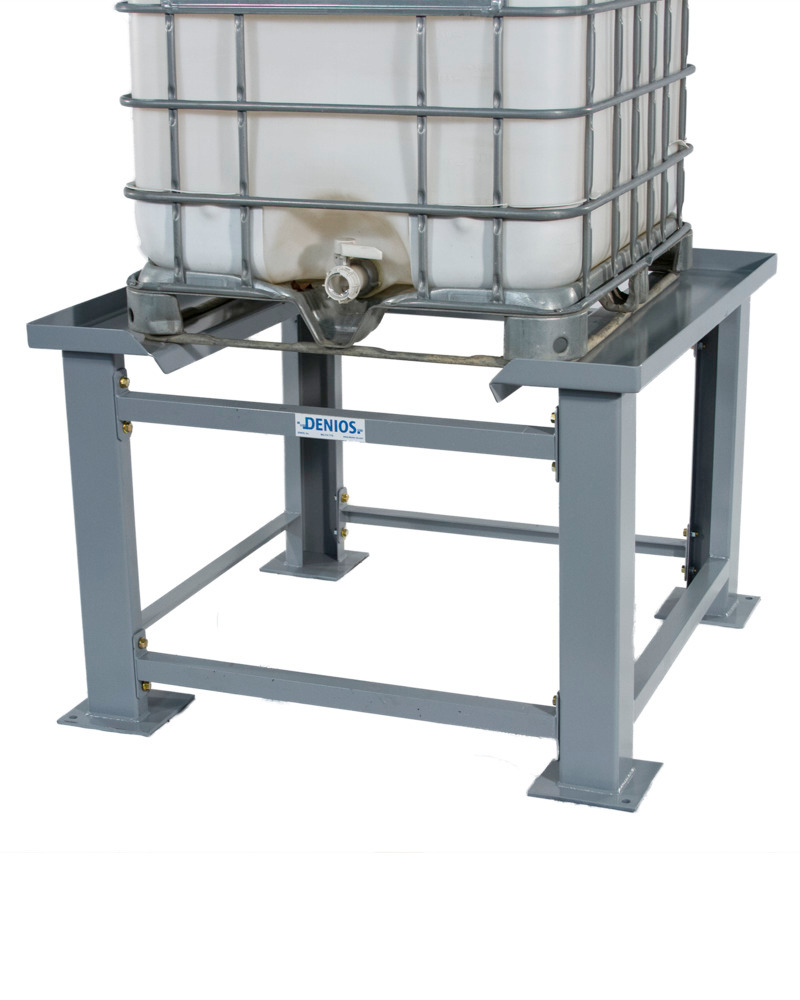
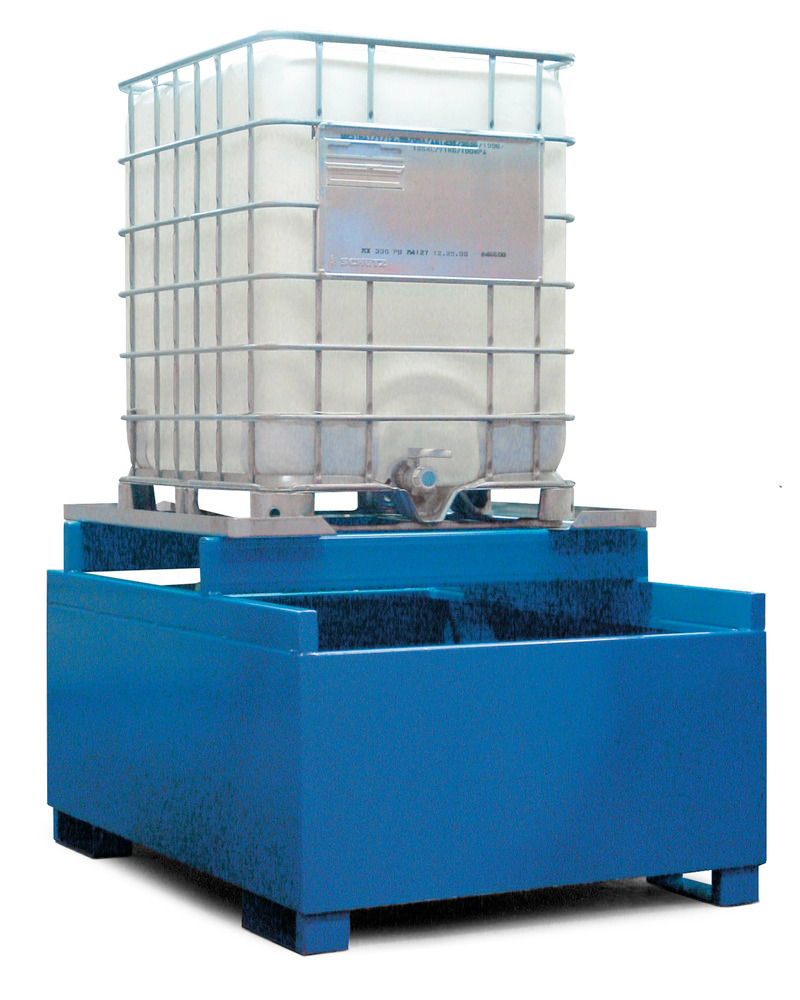
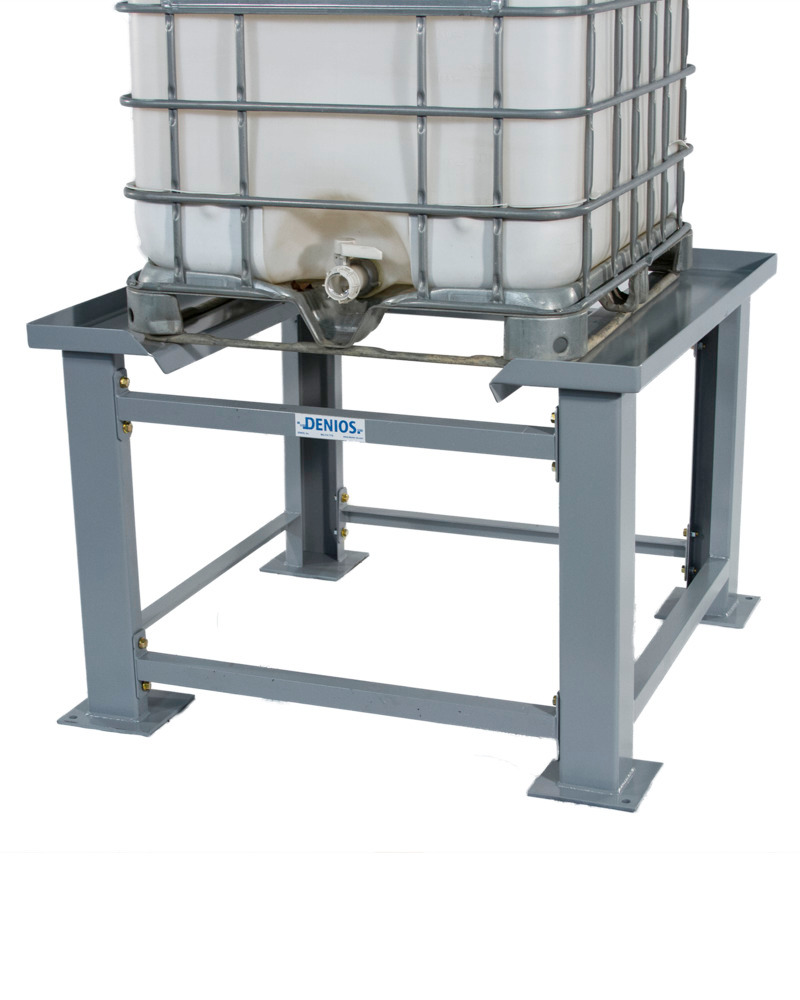
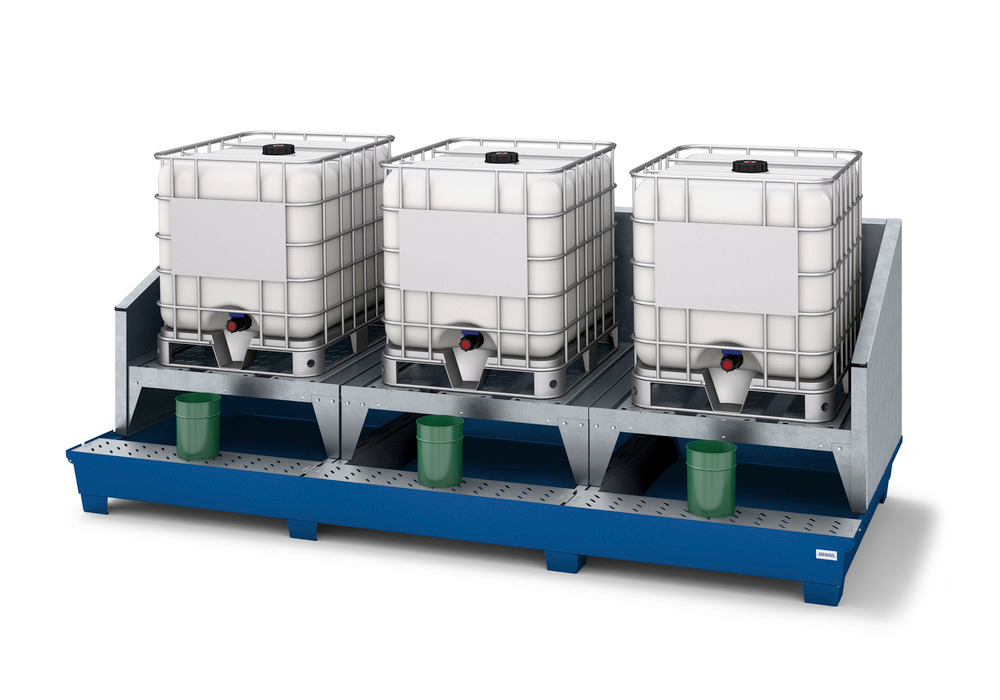
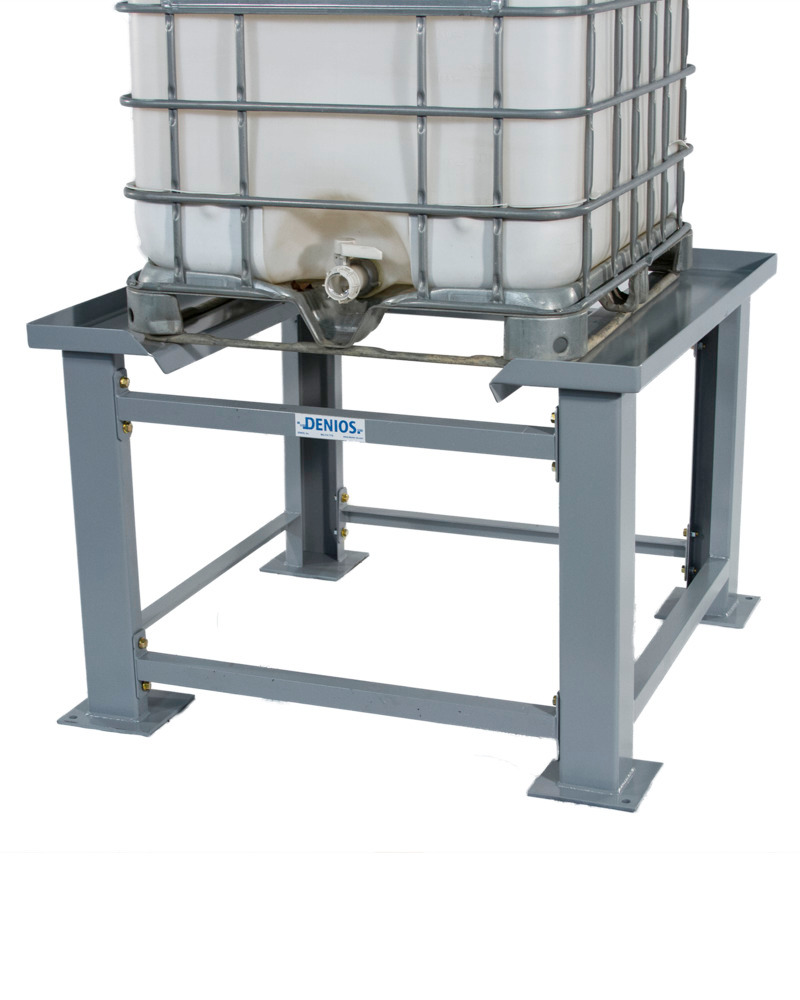
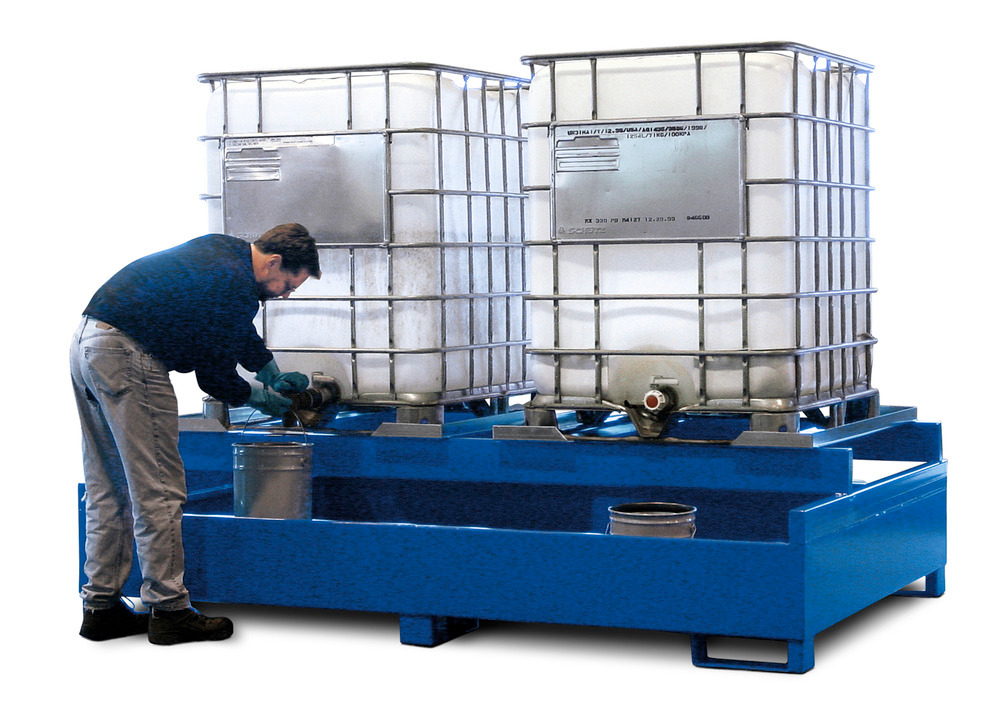
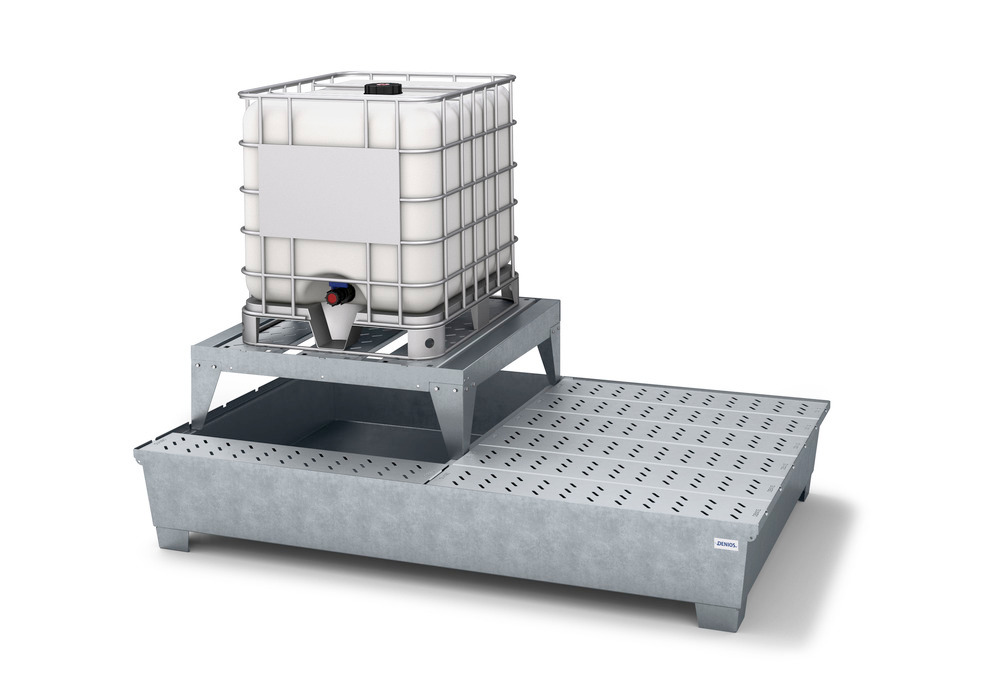
Different IBC containment systems are designed for different tasks. IBC spill pallets are typically used to provide secondary containment during storage and handling, while tote stands and dispensing stations elevate the tote for easier access to valves and safer gravity dispensing into smaller containers.

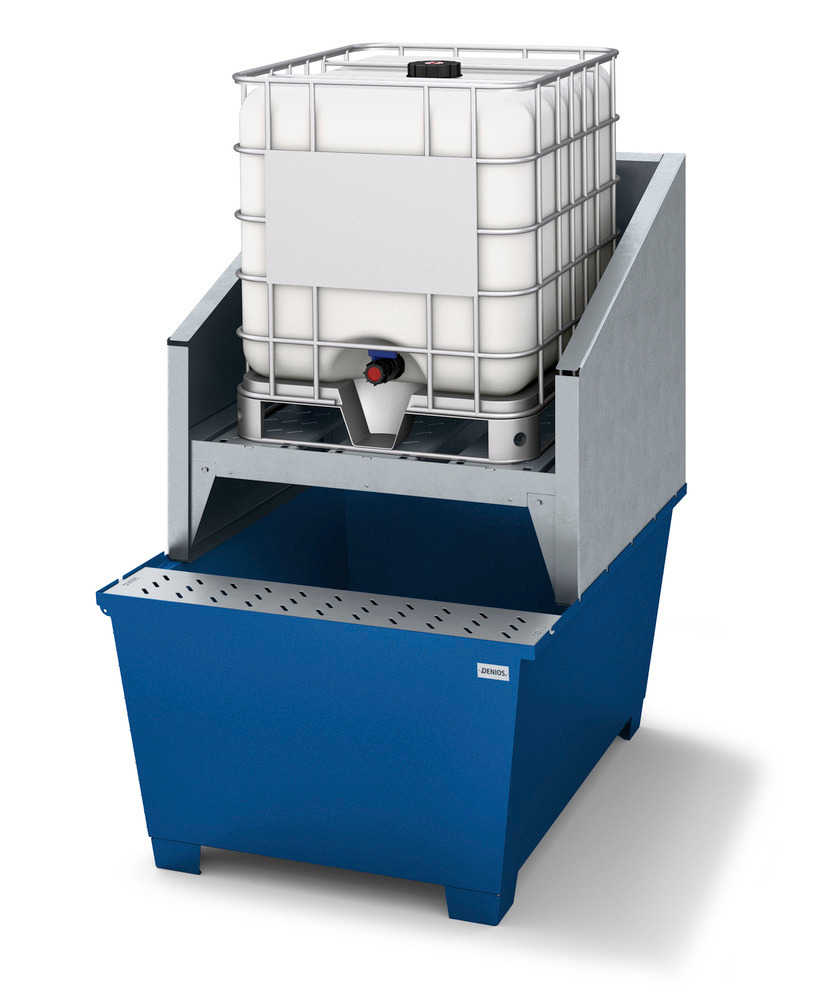
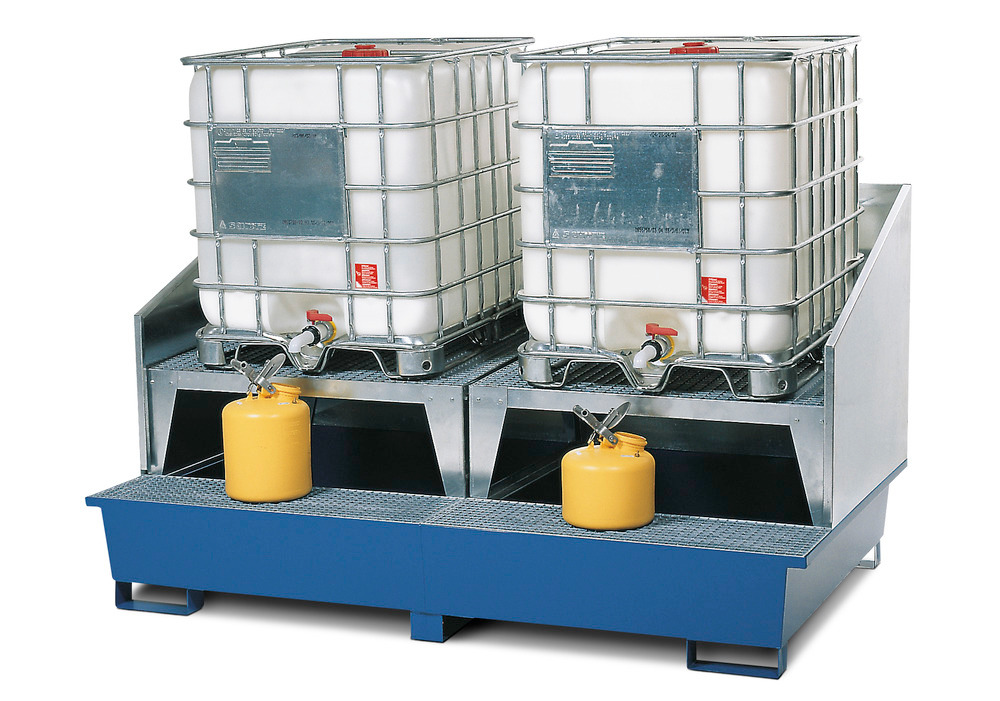
For facilities that need both containment and dispensing efficiency, spill-contained dispensing systems combine elevated access with sump capacity to help capture drips and minor spills. Choosing the right system depends on how the tote will be used, the type of liquid being handled, and whether the application is focused on storage, dispensing, or both.

Secondary containment for storage and dispensing

IBC spill containment is used in both static storage areas and active dispensing operations. For storage, the focus is typically on capturing leaks and maintaining compliant secondary containment beneath the tote. For dispensing, the system may also need to provide elevation, valve access, splash protection, and space for filling smaller containers safely.

By selecting the correct spill containment system for the task, facilities can reduce housekeeping issues, support safer chemical handling, and improve day-to-day efficiency when working with IBC totes.

How to choose an IBC containment system

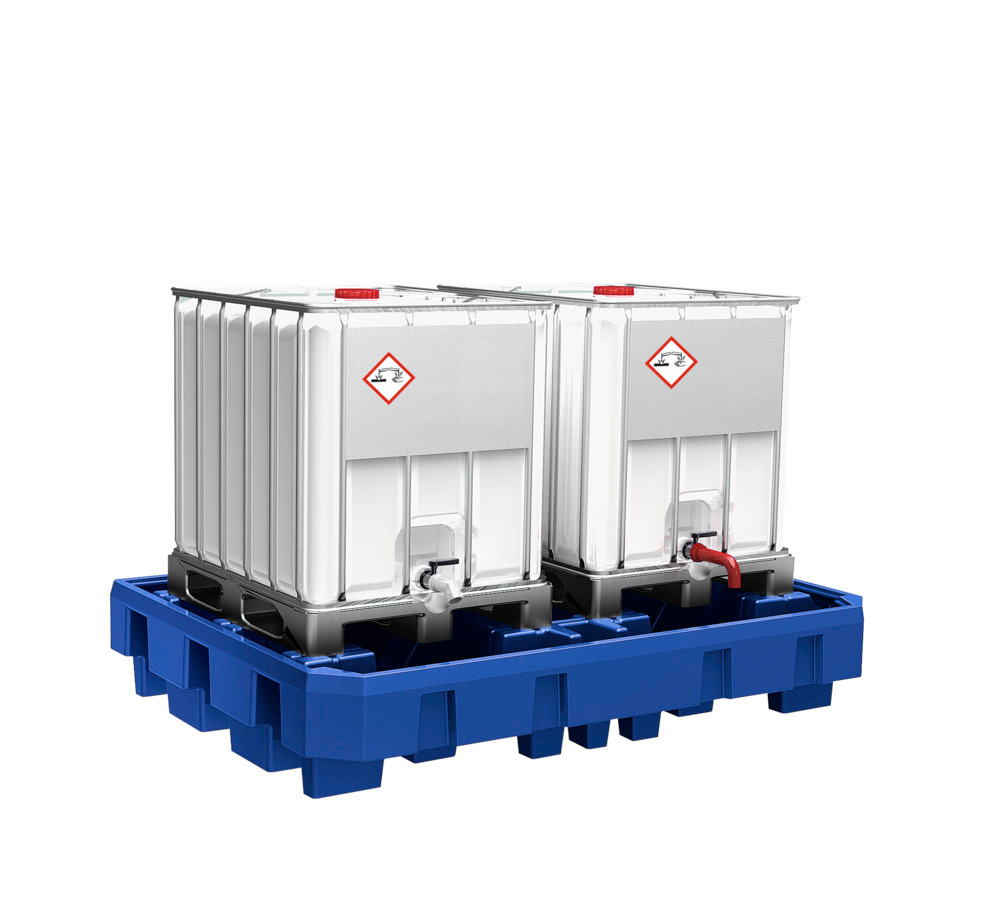
The best IBC spill containment system depends on several factors, including tote size, number of containers, liquid compatibility, and dispensing requirements. Facilities storing corrosive liquids often choose polyethylene units for their chemical resistance, while steel systems may be better suited to certain industrial environments and load requirements.

It is also important to consider sump capacity, available floor space, forklift access, drain options, and whether the unit will be used only for storage or also for dispensing. DENIOS offers IBC spill containment systems for 1, 2, or more totes, with poly and steel options to match a variety of site and compliance needs.

Poly vs. steel IBC spill containment

Polyethylene IBC spill containment systems are commonly selected for storing corrosive liquids because they offer strong resistance to many aggressive chemicals. Steel spill containment systems are often chosen for broader industrial applications where durability and structural strength are priorities.

The right material depends on the substances being stored, the surrounding environment, and the handling conditions in the facility. By matching the containment material to the application, facilities can improve both safety and service life.

Learn more about spill containment and hazardous-material storage:

Explore our guides to secondary spill containment best practices, choosing the right spill pallet, poly vs. steel spill pallets, and planning hazardous material storage.

poly vs. steel spill pallets

Compare poly and steel spill pallets with practical guidance on chemical resistance, durability, and the selection factors that matter most for effective spill containment.

Learn More

Achieving Proficiency in Secondary Spill Containment

This guide explains key spill pallet considerations for hazardous-material storage, including flammable liquids, pallet materials, and practical factors that affect safe secondary containment.

Learn More

4 Steps to Finding the Right Spill Pallet

Learn how to choose the right spill pallet based on containment capacity, hazardous-material use, and workplace safety requirements for cleaner, more compliant operations.

Learn More

How to Plan a Hazardous Material Storage

This article walks through the planning questions behind hazardous-material storage, from stored media and SDS details to container quantities, transfers, and site conditions.

Learn More

Frequently Asked Questions About IBC Tote Spill Containment

What is IBC spill containment?

IBC spill containment refers to secondary containment systems designed to capture leaks, drips, and spills from intermediate bulk containers. These systems help facilities manage hazardous liquids more safely during storage, transfer, and dispensing.

What is the difference between an IBC spill pallet and an IBC tote stand?

An IBC spill pallet is primarily designed to provide secondary containment beneath the tote during storage or handling. An IBC tote stand elevates the container, improving access to the drain valve and making dispensing into smaller containers easier. Some dispensing systems combine both functions.

How do I choose between poly and steel IBC spill containment?

Polyethylene systems are often used for corrosive chemicals because of their chemical resistance. Steel systems are often preferred for certain industrial settings where structural strength and durability are important. The right option depends on the liquid being stored and the operating environment.

Can I use IBC spill containment for dispensing applications?

Yes. Some IBC spill containment systems are designed specifically for dispensing and include elevated platforms, valve clearance, and space for filling smaller containers. These systems help control drips and minor spills during liquid transfer.

How many IBC totes can one containment system hold?

IBC spill containment systems are available in single-IBC and multi-IBC configurations. The right size depends on how many totes need to be stored or dispensed from in one area, as well as the required sump capacity and available floor space.

Why is secondary containment important for IBC totes?

Secondary containment helps prevent spilled liquids from spreading into aisles, drains, or work areas. It supports safer storage practices, improves housekeeping, and helps facilities manage hazardous or regulated liquids more effectively.

More information

Loading...
We would be pleased to provide you with advice!

Give us a call or fill out the form and we will get back to you as soon as possible.

Mon - Fri: 08:00 - 17:00